Related: Raised Garden Beds and Ohio Clay: What Actually Holds Up
Every spring I watch the same mistake happen in slow motion. Somebody loads a cart with a lawn mower and raised bed supplies on the same warm Saturday, has everything unboxed by Sunday afternoon, and by August is standing at my gate telling me the mower is holding up fine but the bed looks like it lost a fight with a tarp. Two purchases, two completely different failure clocks, one weekend of optimism.
I spent twelve years reading soil samples at a county extension desk, and I have spent the years since in a walled test garden in Sunbury, Ohio, on glacial-till clay that has humbled better tools than the ones in this guide. The rule has not changed: a tool is judged at the end of a full growing season, not on the day the box opens. April is the month of marketing. December is the month of truth.
So here is how I would set up a first or second year garden, and what I would check on each of these three tools before letting it keep a slot in the shed: the EGO POWER+ 21-inch cordless mower for the turf strip, the Utopia Home galvanized raised garden bed kit for the growing space, and a four-pack of stainless steel pruning shears for everything that happens in between.
The Mower: EGO POWER+ 21" Cordless Electric Lawn Mower, LM2114
The most important thing about this mower is written in its own name: the battery and the charger come in the box. That matters more than it sounds. A cordless tool is really a decision about a battery platform, and when the platform arrives complete, you are making one purchase instead of three. You are not hunting a charger in October because the one you own belongs to a different brand.
A 21-inch deck is the width I would pick for a suburban lot rather than a pasture. It is narrow enough to work between a fence line and a garden bed without three-point turns, and wide enough that cutting a turf strip does not eat an entire evening. The trade is time: a wider deck cuts faster in open grass and fights you in tight corners, and most home lawns are mostly tight corners.
Cordless electric also solves a problem that is specific to the Midwest. Gas mowers spend November through March sitting with fuel in them, and fuel sitting in a carburetor is how a machine that started on the first pull in October refuses to start at all in May. A battery that comes indoors for the winter does not have that conversation with you.
Here is what I would enter in the Dirt Ledger for any walk-behind mower, this one included:
- Deck material and gauge, because uneven ground under a stamped deck will tell you the truth about itself inside one season.
- Blade bolt torque, checked at 25 hours and again at 100, since a loose blade announces itself as vibration long before it becomes anything worse.
- Handle joints and the folding mechanism, because plastic pivots are the first thing to crack when a mower is folded and unfolded every week.
- Storage footprint, because a mower that will not fold neatly gets left in the weather, and weather is what actually kills mowers.
For a lot with a lawn, one raised bed, and a few trees, this one keeps the decision simple. Cut at three inches or higher, keep the blade sharp, and put the battery on a shelf in the garage before the first hard freeze.
The Growing Space: Utopia Home Galvanized Raised Garden Bed Kit, 4x2x1 ft
The case for a metal raised bed on Ohio clay has nothing to do with how it looks. Lifting the growing layer off native ground gives you drainage you did not have, and a galvanized panel warms faster in spring than wood or composite, which translates into an earlier start on greens. That is the whole argument, and it is a good one.
The 4x2 footprint is eight square feet of growing space, and the two-foot width is deliberate in the best sense: you can reach the middle from either side without stepping into the soil you just spent money on. One foot of depth is enough for lettuce, herbs, carrots, radishes, bush beans, and strawberries. Tomatoes will grow in a foot of soil if you water them like you mean it, and if you do not, they will tell you in August.
Assembly with hand tools is a genuine selling point for a first bed, but assembly is not the part I would worry about. Here is what I would check before filling it:
- The top edges. Rolled edges are safe to brush against with a forearm. A raw cut edge on galvanized sheet is a cut waiting to happen, and no coating saves you from it.
- Panel gauge. Thin steel bows outward once wet soil pushes against it, and a bowed bed dumps water where you do not want it.
- The corner joints. Count the fasteners. One bolt per corner holds a bed together in the catalog photo and rattles loose after a winter of freeze and thaw.
- The finish. Galvanized coating resists rust where it is intact, so a deep scratch from shipping is where rust starts. Look at every panel before you assemble.
Assemble it level, put a layer of cardboard under the fill to smother what is below, and check the corner bolts again in March. Metal panels move with the temperature, and a bed that goes into winter empty will heave.
The Hand Tool: Lengnoyp Pruning Shears, 4 Pack with Gloves
A four-pack of stainless steel shears plus gloves is the least glamorous purchase in this guide and the one that gets used the most days. Deadheading, cutting back spent stalks, harvesting tomatoes, snipping twine, trimming herb stems: none of it is heavy work, and all of it happens constantly once a garden is up and running.
The multi-pack logic is the same logic behind keeping a tape measure on every floor of the house. One pair lives in the shed, one hangs by the beds, one goes in the garage, and one stays wherever you do your potting. Hand tools get lost, and a lost pruner costs you a tomato harvest while you walk back to the shed.
Stainless steel resists rust, which matters enormously for a tool that gets set down in wet grass and forgotten until evening. The trade is edge retention: stainless is not famous for holding a razor edge through heavy wood, so treat these as garden snips for green stems, deadheads, and stems up to roughly pencil thickness rather than as branch loppers.
What I would check on any multi-pack:
- The pivot. This is the joint the entire tool depends on. A rivet that walks loose or a bolt that will not hold torque turns a pruner into a pair of decorative metal hands.
- The spring. If the spring fails, the shears stay shut and you are done.
- The lock latch. A latch that will not stay engaged in a pocket is how you get cut reaching into a bag.
- The blade. A replaceable blade is repairability, and repairability is the difference between a tool that lasts three seasons and one that lasts one.
One more habit, and it costs nothing: wipe the blades with rubbing alcohol between plants. Shears are the tool that spreads disease around a garden, and a clean pair is the cheapest insurance you own.
How this guide was built, and what the Dirt Ledger records
Every tool that earns a dock slot here works a full growing season first, from the first thaw to the first hard freeze. That means 100 logged hours of real use on real Ohio clay, caliper measurements at every 25 hours, a handle wiggle test at the ferrule, and a dated photo for the ledger. Failures get photographed and entered too, because the failures teach more than the survivors.
I will say plainly what I will not do: I do not call a tool durable because it survived a weekend of unboxing. April bench tests say nothing about August. A tool that cannot be taken apart, measured, and put back together does not get a durability claim from me, and a tool that dies in the shed over winter is a design failure, not bad luck.
The only honest number in this hobby is price per season of service. A cheap tool that finishes a season intact beats an expensive one that quits in August, every time.
The reference table: three tools, one season of clay
This is the table I would keep on the shed wall, and it is how the three tools in this guide compare once you get past the catalog photos. Roles are what the tool is actually for in a small yard with a lawn, a bed, and a fence line.
| Product | Role in the yard | What I check at hour 100 | Price |
|---|---|---|---|
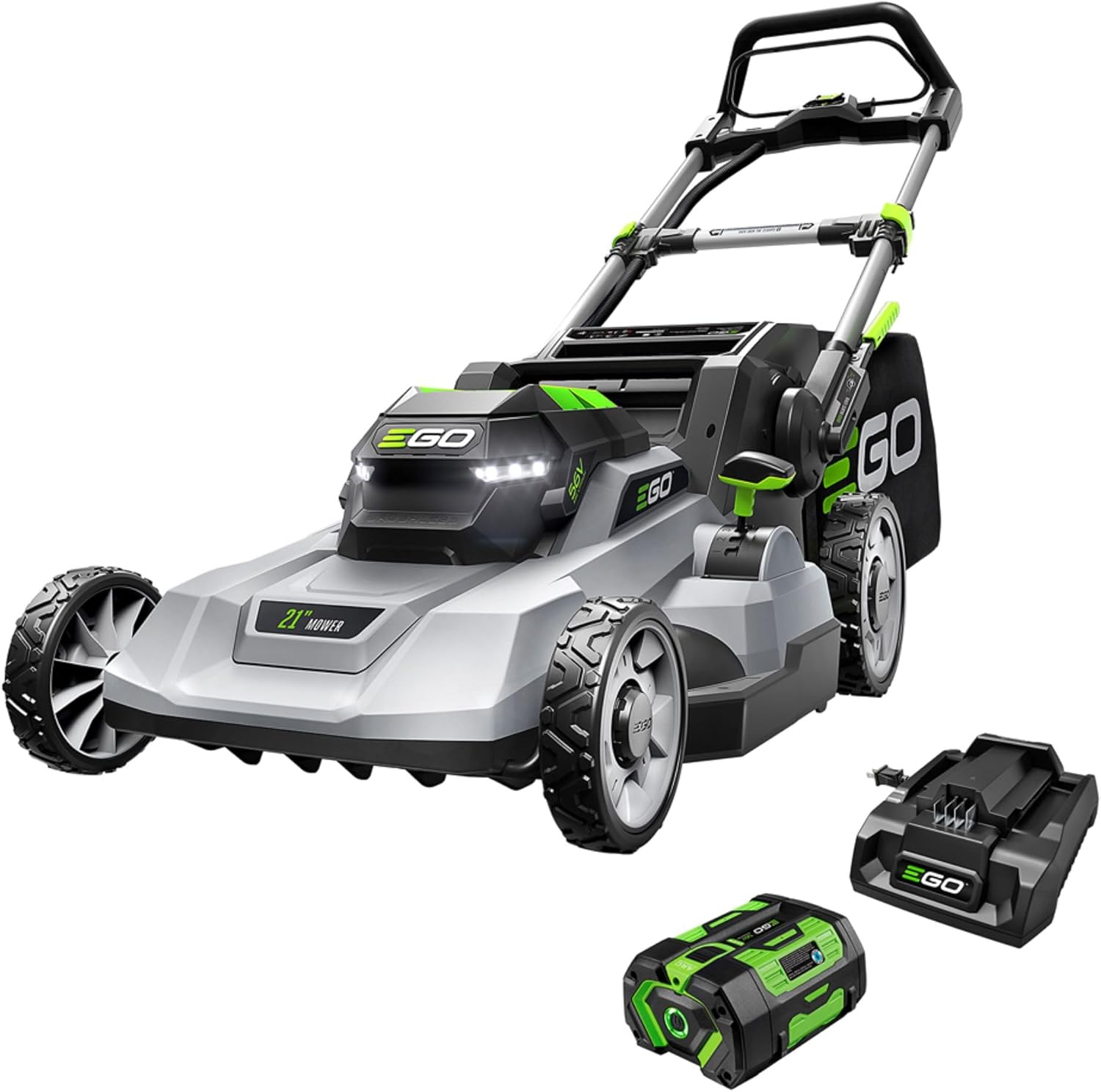 Visit on Amazon → Visit on Amazon →EGO POWER+ 21" Cordless Electric Lawn Mower with Battery and Charger, LM2114 |
Cutting the turf strip weekly, spring through fall | Deck still square, blade bolt still at torque, handle pivots still tight, battery stored indoors | $499.00 |
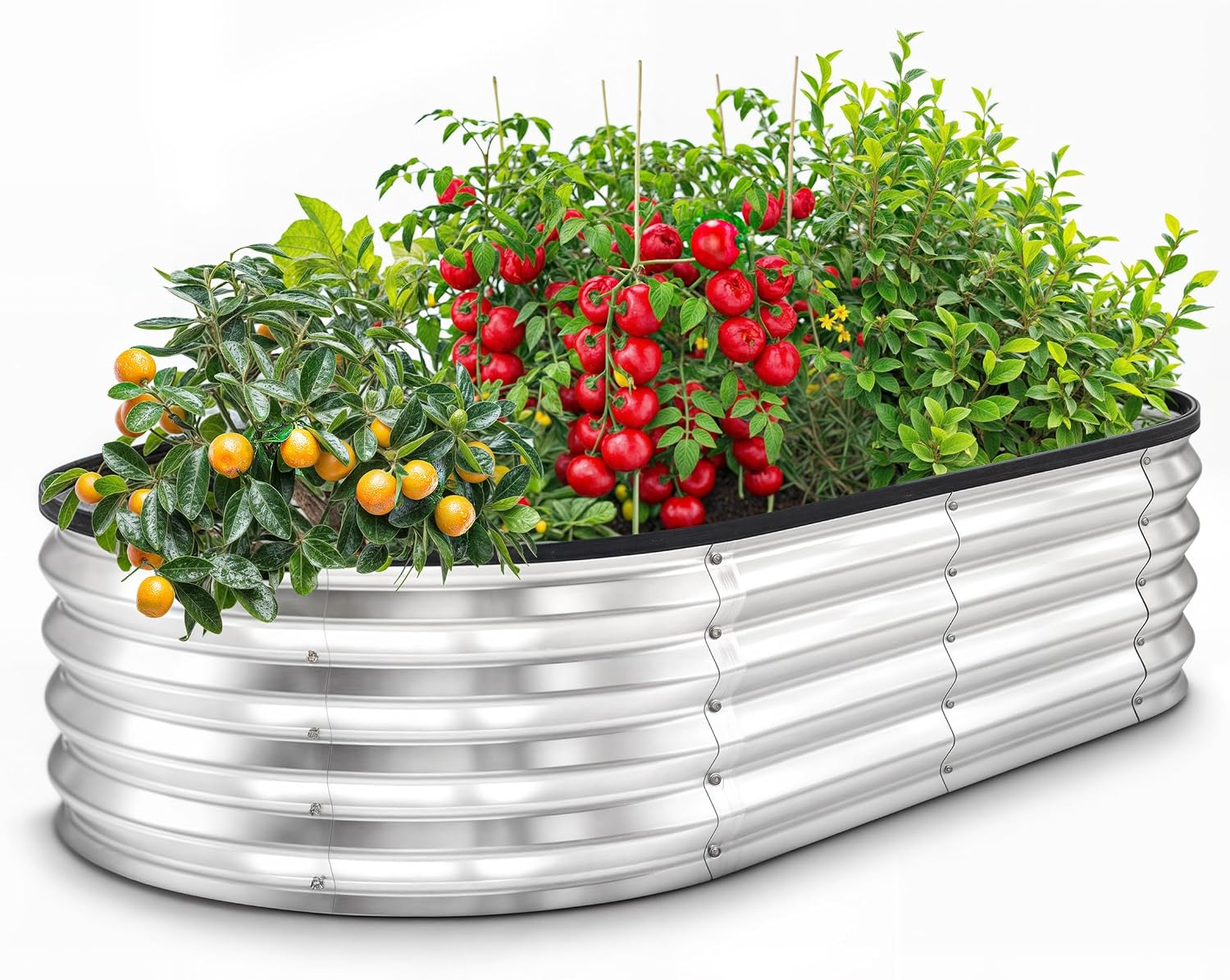 Visit on Amazon → Visit on Amazon →Utopia Home Galvanized Raised Garden Bed Kit, 4x2x1 ft, Silver |
Holding eight square feet of growing soil up off the clay | Panels not bowed, no rust at scratches, corner bolts re-torqued after winter | $23.99 |
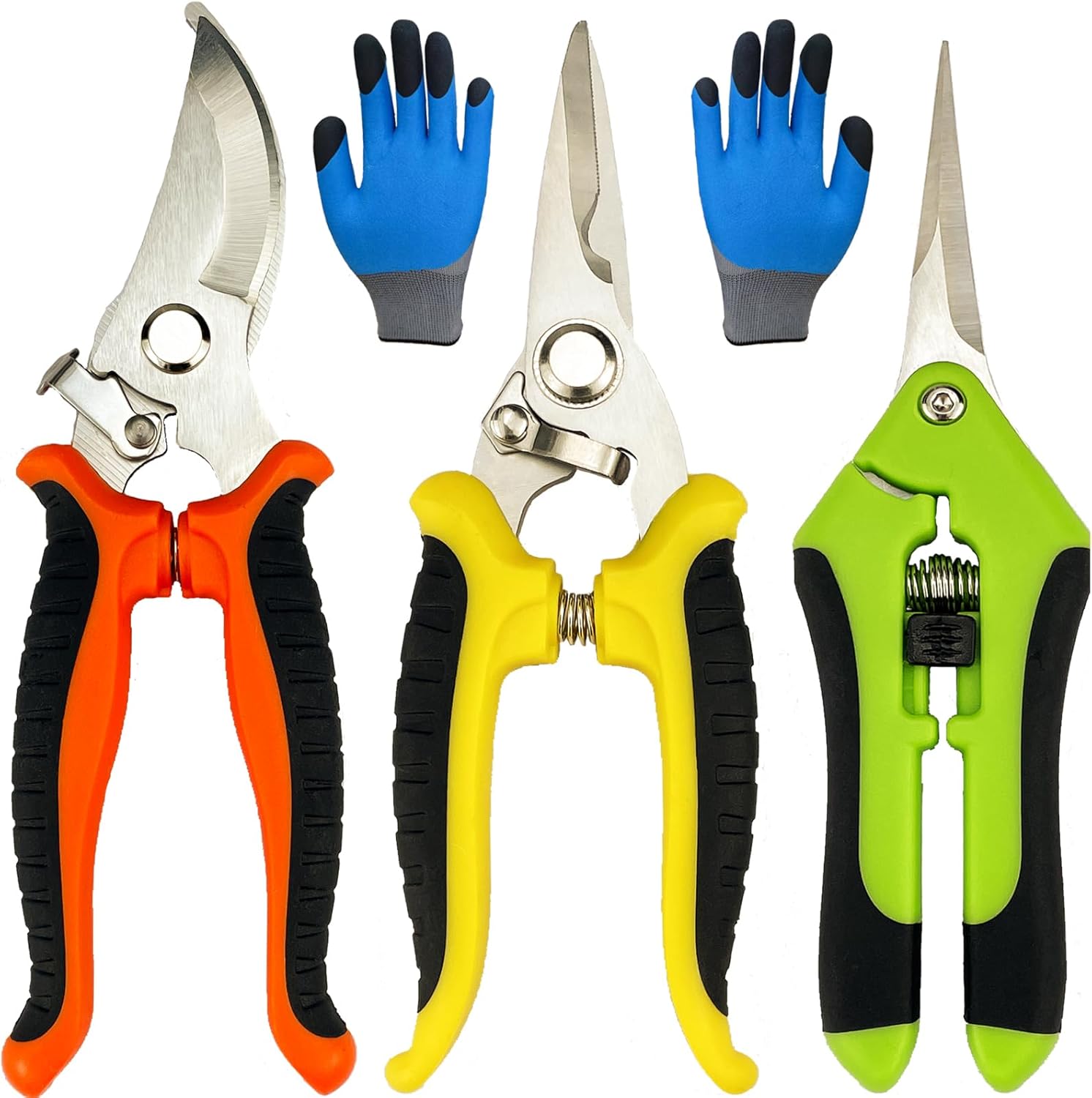 Visit on Amazon → Visit on Amazon →Lengnoyp Pruning Shears, 4 Pack with Gardening Gloves |
Deadheading, harvest cutting, twine, green stems up to pencil thickness | Pivot still tight, spring still opening, latch still holding, edge still clean | $8.99 |
What the season tells you about each one
The mower lives or dies on the deck and the blade bolt, not on the electronics. Cordless machines have fewer moving parts than gas ones, which is exactly why a bent deck or a rattling blade stands out so quickly. Cut high in clay heat, and do not scalp the lawn in July just because the grass looks stressed. Taller grass shades its own roots and crowds out weeds, which means less work for you.
The raised bed lives or dies on its joints. Galvanized steel is a good material that gets wasted by thin gauge and single-fastener corners. Fill it with a real soil mix rather than shoveling native clay into it, water deeply instead of often, and treat a scratched panel as a maintenance item rather than a cosmetic one.
The shears live or dies on the pivot. Keep them clean, keep them dry, sharpen the edge when it starts crushing stems instead of slicing them, and sanitize between plants. Four pairs means there is no excuse for using a dull one.
Should you buy the EGO POWER+ LM2114?
Yes, if your lawn is a suburban lot rather than a field. The battery and charger being in the box is the whole reason this is easy to recommend: you make one decision, you own a complete machine, and you avoid the classic mistake of buying a bare tool and then discovering what the battery platform really costs. The 21-inch deck suits lawns full of beds, fences, and trees, and the cordless part means no carburetor drama after a long Ohio winter. If you are cutting two acres, buy a wider deck. For everything smaller than that, this covers the job.
Should you buy the Utopia Home galvanized raised bed kit?
Yes, if you want one neat bed rather than a row of them, and you want it up off heavy clay. Eight square feet and a foot of depth is a serious amount of food for one household when you plant greens, herbs, carrots, and bush beans, and the reachable width makes it pleasant to actually work in. Check the panel edges and count the corner fasteners when it arrives, assemble it level, and re-check the bolts after the first winter. It is the least complicated way I know to stop fighting native soil.
Should you buy the four-pack of pruning shears?
Yes, if you are starting a garden or you have ever spent twenty minutes looking for the one pair of snips you own. Four stainless shears and a pair of gloves cover the everyday cutting a garden demands, and stainless steel forgives the wet grass habit that ruins cheaper carbon blades. They are snips, not loppers, so leave the woody branches to a bigger tool. Treated that way, they earn their shelf space fast.
The bottom line
Buy the mower for the turf, the metal bed for the soil, and the shears for the ten small cuts you make every day in between. None of the three needs to be the most expensive thing in its category. Each of them needs to be the tool that is still doing its job in October, which is the only test that has ever mattered in my garden.