The first hard freeze is about three weeks out at my place in Sunbury, and the fall garden prep list is the same list it has been for twenty years: feed what has to harden off, cover what has to survive, cut the edges before the ground locks, and get the season's last planting up off cold soil. I spent twelve of those years behind a county extension soil-testing desk, reading sample bags from homeowners who were absolutely certain they had a grass seed problem when what they had was a compaction problem. Fall is when that shows up, because fall is when the soil tells the truth.
So this is not a shopping list built from a spec sheet. These are four jobs, four tools, and the honest case for and against each one before the Dirt Ledger closes for the year.
Related: How to Read a Soil Test Before You Buy Anything
If you only buy one thing this month, buy the flat spade, because a clean edge in October saves you three hours of bed repair in April. Buy the frost cloth second, the lawn food third and only after a soil test, and the cedar raised bed last, because it is the one item here that solves a problem you can also solve with a shovel and an afternoon.

Sharp Blade Spade Shovel Garden Flat Spades for Gardening and Edging
A flat blade slices a crisp bed edge and cuts sod clean; the job it does, a round point cannot do at all
It is a specialist. Ask it to dig a planting hole and you will miss the scoop of a round point by hour two
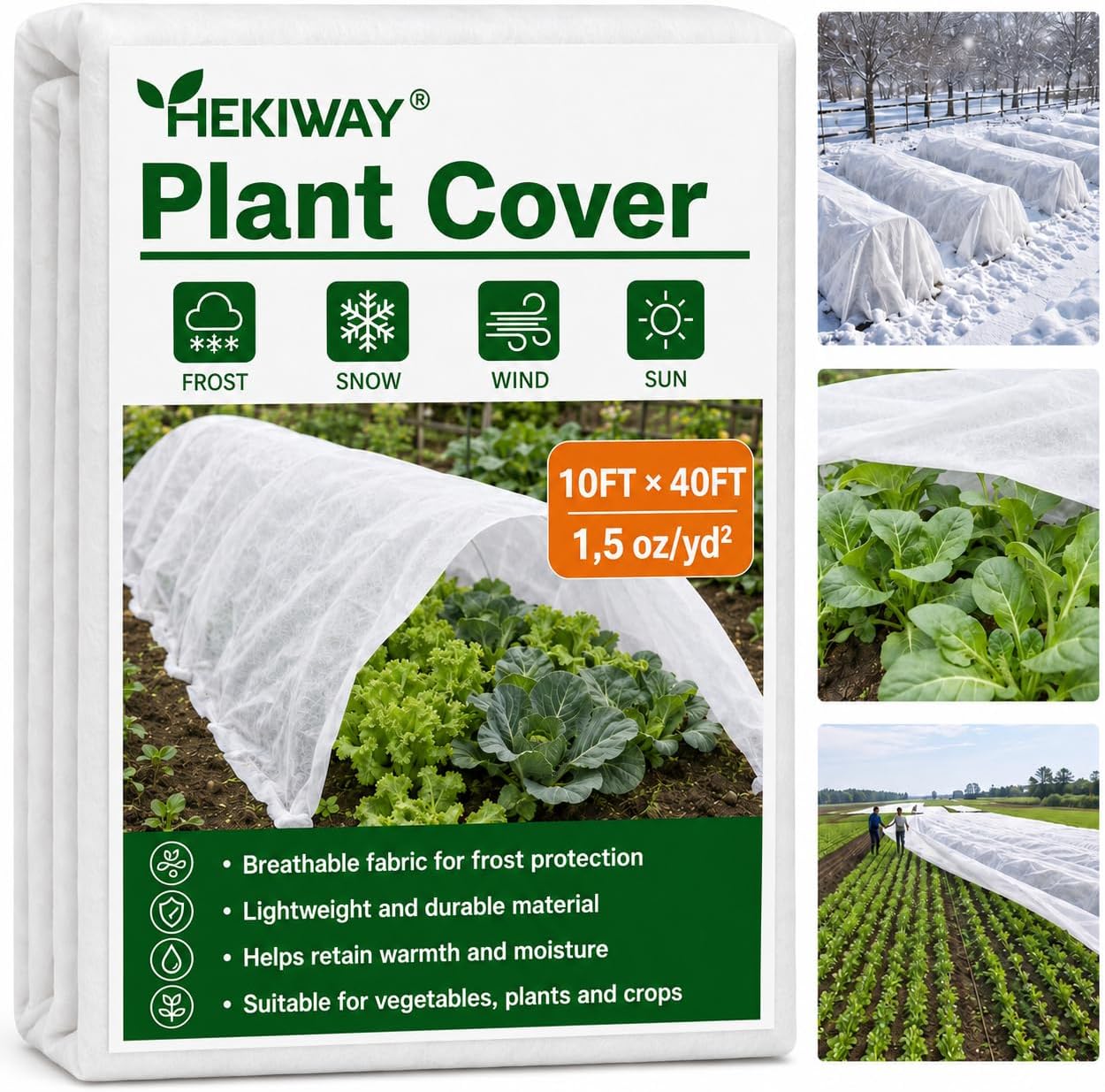
10 FT x 40 FT Frost Cloth, Plant Covers for Freeze Protection
400 square feet in one piece, enough to drape several beds and a row of late greens in a single pass
It buys degrees, not weeks. And any cloth that is not weighted down will be in the neighbor's field by morning
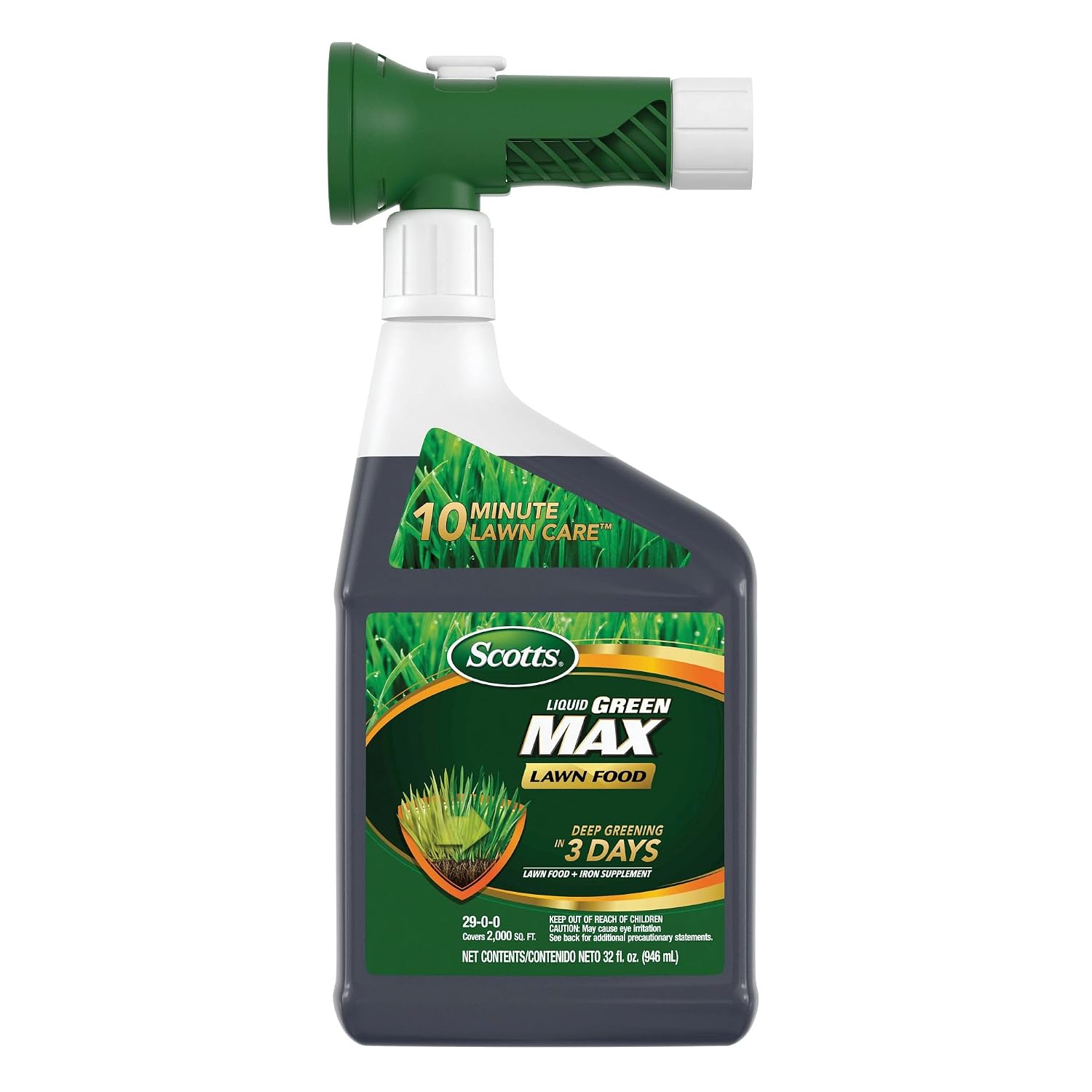
Scotts Liquid Green Max Lawn Food, 32 fl. oz.
Fast, easy to measure and mix, and it puts nitrogen where fall turf can actually take it up before dormancy
Liquid nitrogen is a supplement, not a repair. It fixes nothing about compaction, pH, or drainage
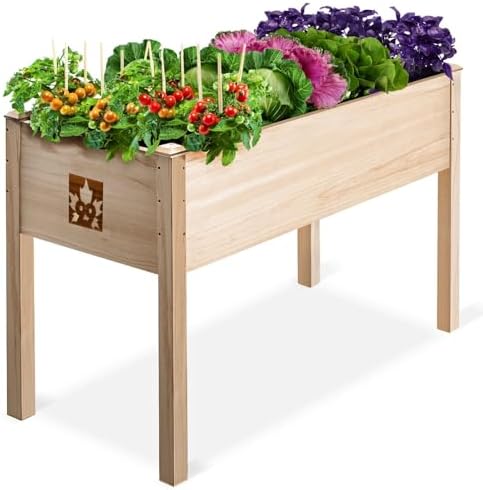
Cedar Raised Garden Bed with Legs, Outdoor Planter Box 48x24x30, 200lb
Cedar is the one softwood I trust in wet soil, and 30 inches of leg height takes the bending out of the last harvest of the year
Legs mean limited soil volume. A bed this size dries out faster than anything you plant in the ground
Prices and availability were captured from Amazon Creators API and may change.
How I judge fall gear
Every tool that earns a dock slot goes a full growing season, first thaw to first hard freeze, before it gets a word of review. Handles get weighed on a kitchen scale. Blade wear gets checked with digital calipers at every 25 hours, and failures get photographed, dated, and written into the Dirt Ledger. I have one painted spade hanging on the shed wall as a reminder of exactly what I warn people about, and it is there because the enamel looked beautiful in April and was flaking by June.
Fall is the honest season for a different reason. Freeze-thaw cycling is the torture test that cracks cheap plastic heads and splits composite handles, and one Ohio winter tells me more about a tool than any spec sheet. So when I rank these four, I am ranking them by the question I ask every product: at hour 100, does it still do the job it did on day one, and what did it cost me per season of service?
The flat spade: edging is a two-tool job, and this is the second tool
A round point shovel moves soil. A flat spade cuts it. Those are different motions, and if you have been edging beds with a round point, you already know why the line looks ragged by August. The flat blade here is built for the cut: straight down, clean through the sod, a crisp vertical edge along a bed or a walkway.
Before I trust any spade, I check two things. The tang, which is the steel extension of the head that runs up inside the handle, should be full length, not a welded stub. And the ferrule, the metal collar where handle meets head, should sit tight with no gap and no cracking wood underneath. A handle that snaps at the ferrule after one season is a design failure, not bad luck, and I have returned more than one tool for exactly that.
The trade-off is honest: this is a specialist. It will not dig a planting hole with the efficiency of a round point, and it should not be asked to. It is the tool that makes October edging a one-pass job, and that is worth a slot on the dock.
Frost cloth: it buys degrees, and degrees are what you need
The single most common mistake I see in fall protection is plastic sheeting draped over plants. Plastic traps moisture against the leaf, that moisture freezes, and you have killed the plant you were trying to save. Frost cloth is breathable, and that difference is the whole product.
At 10 by 40 feet, this is 400 square feet in one piece. That is enough to cover a couple of raised beds and a row of late greens without seams, and seams are where cold air gets in anyway. Weight it down. Cloth that flaps loose on a windy night does nothing, and it will end up in the treeline. I use bricks or soil-filled bags along the edges, and I lift the cloth in the morning so the bed does not cook under a warm October sun.
Set expectations correctly: frost cloth buys you a few degrees and a few weeks. It is not a greenhouse and it will not carry a tomato plant into November. What it does is protect the plants that are almost hardy enough, which in my beds is lettuce, spinach, carrots, and anything I am trying to push two weeks past the first light frost.
Fall lawn feeding: read the soil test first
You do not have a grass seed problem. You have a compaction problem. I said that at the extension desk more times than I can count, and it is still true in October. Fall is the best window to feed cool-season turf, because the grass is pushing root growth and storing carbohydrates before dormancy, and nitrogen applied now does work that nitrogen applied in July simply cannot.
A liquid product like this one is easy to measure and mix, and it is forgiving for a homeowner who does not want to calibrate a spreader. What it will not do is fix pH, break up a compacted layer two inches down, or compensate for a lawn that is half weeds. Those are soil problems, and soil problems get answered by a soil test, not a bottle.
So my rule stands: test first, feed second, and feed at the rate the test supports. If your test comes back with adequate phosphorus and potassium, you are buying nitrogen, and this is a reasonable way to buy it. If your test says your pH is 5.4, no liquid fertilizer on the market is going to save that lawn.
The cedar raised bed with legs: a back saver with a trade-off
Cedar is the one softwood I will recommend for outdoor growing. It resists rot and insect pressure without chemical treatment, and it holds up to wet soil far better than the pine boxes sold at the same price point. The legs here lift the growing surface to 30 inches, which is roughly counter height, and that matters more every year I spend on my knees.
The honest trade-off is soil volume. A leg-mounted box this size holds a fraction of what an in-ground bed of the same footprint holds, so it dries out faster and it heats up faster in the sun. That is not a flaw, it is physics. Plant accordingly: herbs, greens, strawberries, and shallow-rooted vegetables do beautifully. Do not expect it to carry a full-size tomato through August without daily water.
The 200 pound capacity is the number to respect. Wet topsoil weighs a lot, and a saturated mix of native clay and compost is heavier still. Use a light, well-draining blend, and if you are placing this on a deck or a porch, think about what is holding it up before you fill it.
What the trade-offs actually say
Here is the pattern I have logged across a decade of tool testing: price predicts the marketing budget, not the durability. A cheap tool that survives a full season is better value than an expensive one that dies in August, and the only honest number is price per season of service. Divide what you paid by how many seasons it lasted. That is the review.
Applied to this group, the math looks like this. The spade is a tool you either use for fifteen years or replace twice, and the difference is almost entirely in the tang and the ferrule. The frost cloth is a consumable, so treat it like one and buy for coverage, not for brand. The lawn food is a season of nitrogen, gone by spring. The raised bed is a structure, and cedar is the version that is still standing when the pine box next to it has gone soft and gray.
None of these four are the painted, gorgeous, doomed thing I keep on the shed wall. They are all doing jobs that get harder as the season ends.
Do you need all four?
No, and anyone who tells you otherwise is selling something. Rank them by the problem you actually have.
If your beds look ragged by August, the flat spade is the fix, and it is the first thing I would buy. If you are pushing greens past the first frost, the frost cloth pays for itself in one saved crop. If your lawn came back thin this spring and you have not pulled a soil sample in three years, spend the money on a soil test before you spend it on fertilizer, then buy the fertilizer. And if your ground is heavy clay, contaminated, or you are simply done kneeling, the cedar raised bed is the one item here that solves a problem a shovel cannot.
What I am watching next
The fall durability pass is underway in my shed right now. Fourteen tools from the spring cohort are past their 100 hour mark, so each one gets a caliper check, a handle wiggle test at the ferrule, and a dated photo before the first hard freeze locks the beds. Two already failed this year: a painted spade with a cracked collar and a pruner whose rivet walked loose. Both autopsies are going into the Dirt Ledger this week, because the failures teach more than the survivors ever do.
If you want the honest version of how any of these hold up, check the dock in the spring. Anything that did not survive the winter will not be on it.