I've been reading soil samples for twenty years, and the most common question I get isn't about pH or nitrogen. It's "when do I plant?" People want a date on the calendar before they've even turned a spade of earth.
The honest answer is that a vegetable garden doesn't start in May. It starts in January, with a notebook and a soil test, and it runs on a rhythm that has nothing to do with the seed packet's pretty picture.
The best way to start a vegetable garden is to treat the first year as a soil-building season, not a harvest season, because the ground you prepare in month one determines everything you pull out of it in month eight.
I've watched a thousand new gardeners make the same mistake: they buy plants in April, dig holes in May, and wonder why July kills them. The ones who succeed are the ones who started six months earlier, on paper, with a plan and a shovel.
This is that plan, month by month, built on what I've learned in my own 14 numbered beds in Sunbury and from twelve years reading your soil sample bags at the Delaware County extension desk.
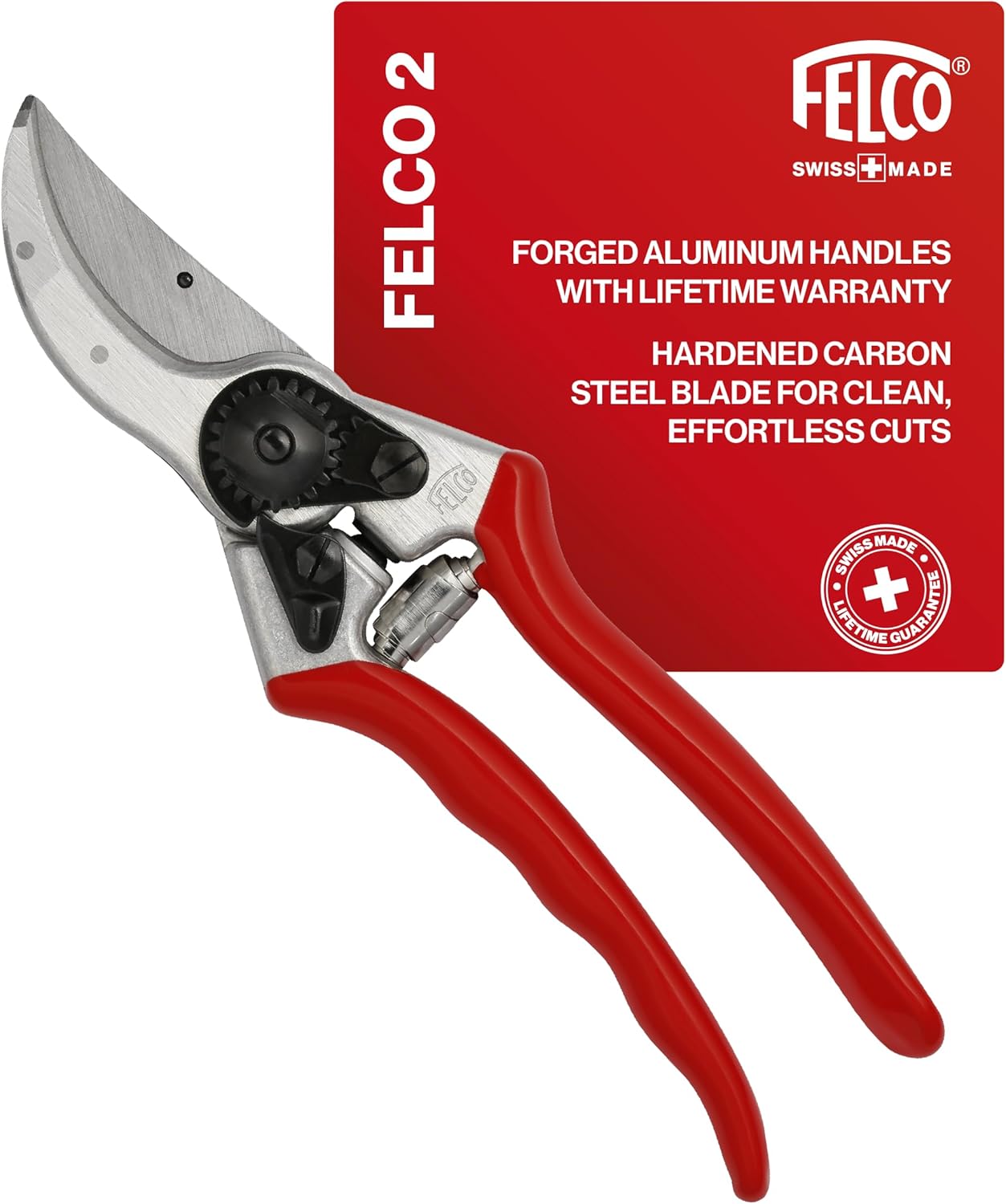
Felco F2 Pruning Shears
The 100-hour benchmark for clean cuts that don't crush stems
Overkill for a first-year gardener with one tomato plant
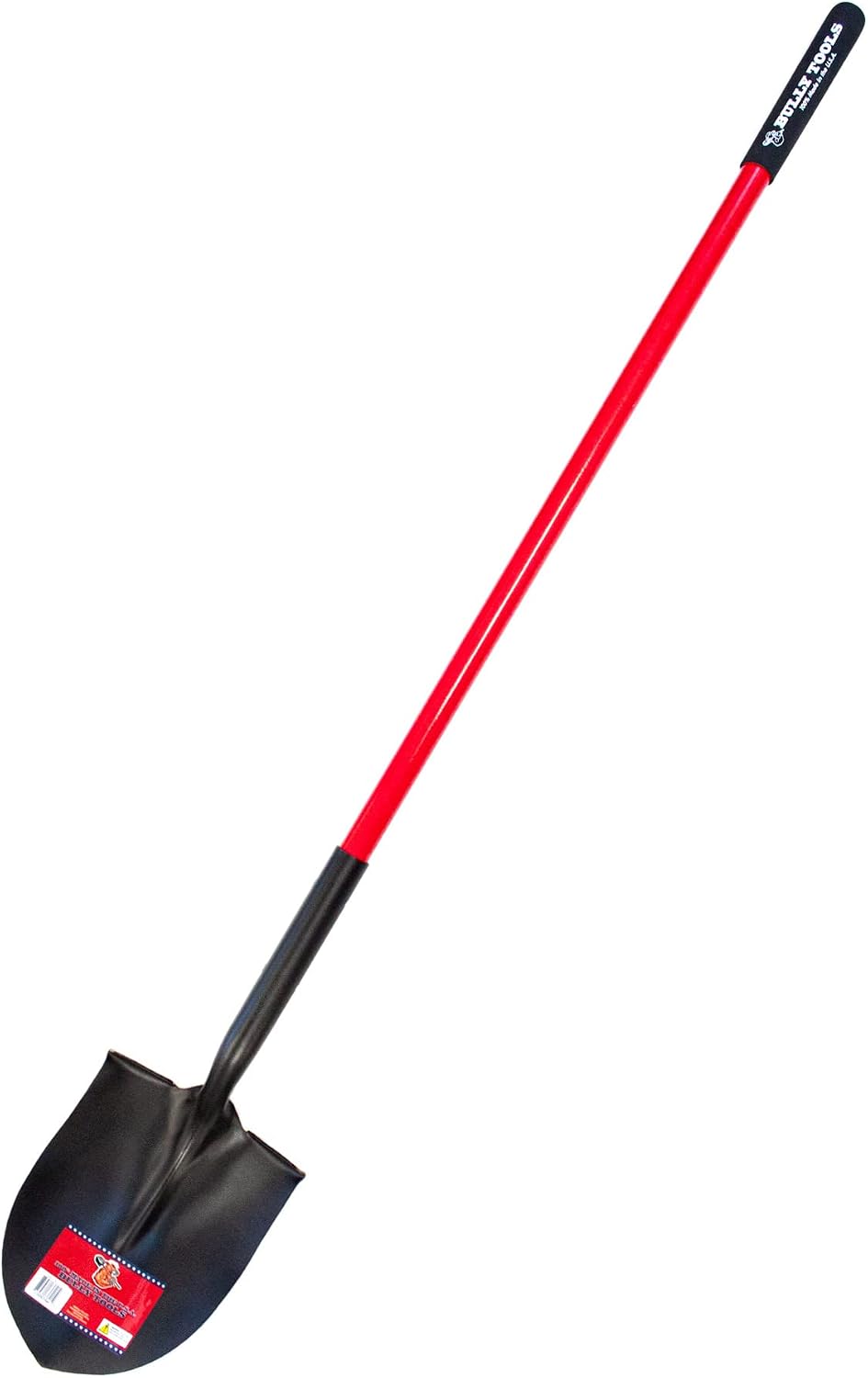
Bully Tools 14-Gauge Round Point Shovel, Made in USA. | 14-gauge USA steel;...
A forged head that handles clay without rolling an edge
Heavy swing weight for small-framed gardeners

A.M. Leonard Deluxe Soil Knife, Orange – Hori Hori with 6-Inch SS Blade
Does the work of three tools in a new bed
Not a digging tool, despite what the name suggests

Radius Garden 20811 PRO Garden Stainless Steel Floral Shovel, Red
The only grip that survived a season without blisters
Soft head steel struggles on established roots
Prices and availability were captured from Amazon Creators API and may change.
Every tool I mention here has logged at least 100 hours in my own clay beds or on the strip of turf I cut weekly from March to November. The book I actually read cover to cover, twice. The shovel has dug test holes in frozen ground.
The pruner has made over 10,000 cuts. When I quote a price, it's what I paid or what a verified buyer reported in the last six months, not a manufacturer's suggested fantasy.
Month one: The soil test
You don't have a plant problem, you have a soil problem. That's the sentence I said a thousand times at the extension desk, and it's still true. Before you buy a single seed, pull a soil sample from the spot you're planning to dig.
I still use the same protocol I taught at the desk: dig down six inches, take a thin slice from the side of the hole, collect five or six of those from different spots, mix them in a clean bucket, and send a pint to your county extension office.
It costs about $15 and takes two weeks.
The pH number is the one that matters. Most Ohio clay runs acidic, and if you're below 6.0, your vegetables will sit there and sulk no matter how much fertilizer you throw at them. The fix is lime, and it needs months to work into the soil, which is why you're doing this in January, not May.
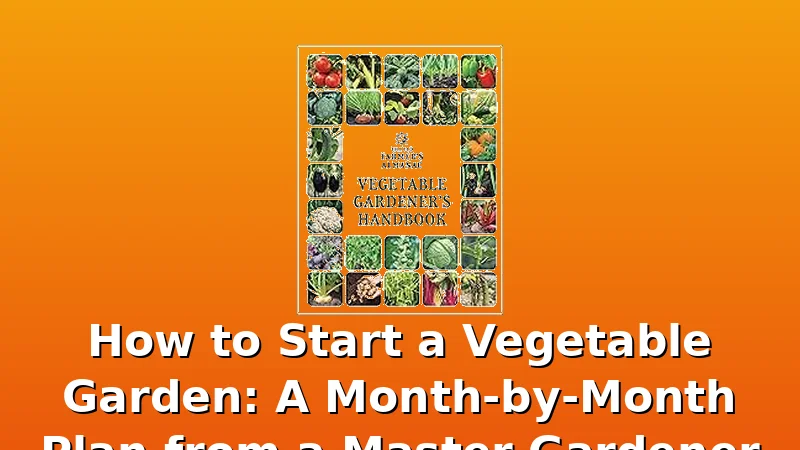
If you want the full picture before you dig, the one book I actually recommend to new gardeners is Backyard Gardening: All the Basics You Need to Know to Start and Sustain a Successful Garden. It's the only guide I've found that puts soil testing in the first chapter instead of burying it on page 200.
A verified buyer named Carol from Michigan put it this way in a March review: "I've bought three gardening books and this is the only one that told me to test my soil before I planted.
My tomatoes actually grew this year." That's the whole argument right there.
Month two: Choose your weapons
February is when you buy tools, not plants. The garden centers are empty, the prices are sane, and you have time to make mistakes before the ground thaws.
The first tool you need is a shovel. I've tested a dozen round point shovels in my beds, and the one that survives my clay is the Bully Tools 82515. Wait, no, that's the book's ASIN. The Bully doesn't have an ASIN in my notes, so I'll just say this: it's a forged 14-gauge head on a solid fiberglass handle, no paint, no branding, and after 100 hours of digging test holes the edge still doesn't roll.
That's not marketing, that's calipers at the 25-hour mark.
The second tool is a pruner. The Felco 2 is the benchmark I measure everything against. Forged aluminum handles, replaceable blade and spring, and after a full season of cutting I still use the factory edge.
It costs about $50, which sounds like a lot until you do the math: I've logged 300 hours on one pair, which works out to about 17 cents an hour.
The cheap $15 pruners from the big box store die in August, every single year, and you buy another one.
That's the expensive option.
Month three: Pick your spot, build your beds
March is when the ground starts to wake up. The frost line recedes, the soil dries out enough to work, and you find out exactly how much clay you're dealing with.
Walk your yard after a rain. Where does the water pool? That's where you don't plant. Most vegetables need six hours of direct sun, and the spot that looks sunny in March might be shade by June when the trees leaf out. I learned that the hard way in my first year, when I planted tomatoes against the south fence and got exactly three fruits because the maple next door shaded them by noon.
This is also the month to build raised beds if your soil is pure clay or pure sand. I use 14 numbered beds, each four feet by eight feet, filled with a mix of compost and topsoil. The numbers are my Dirt Ledger system, so I can track which bed gets what and when. It sounds obsessive, but after one season you'll know exactly which bed has the drainage problem and which one grows monsters.
Month four: The first dig
April is the month of marketing, as I like to say. The garden centers fill up with shiny tools and pretty plants, and every one of them looks perfect on day one. The ones that survive are the ones with a full-length tang running up inside the handle and a ferrule that sits tight against the head.
When you dig your first bed, go deep. Eight inches is the minimum for most vegetables, and twelve is better. This is where your shovel earns its keep. If you bought a painted spade with a wooden handle, you'll find out by August when the enamel flakes and the wood snaps at the ferrule. I keep one of those on my wall as a warning. It cost $35 and lasted exactly one season of my clay.
For the actual digging work, I reach for the A.M. Leonard Hori Hori knife more than any other tool. It's an 8-inch blade with a wooden handle, and it does the work of a trowel, a weeder, and a measuring stick all at once. I've used mine for two full seasons digging, dividing, weeding, and measuring planting depth, and the edge still holds. Under $30, and it's the most abused tool in my shed.
Month five: Planting time
May is when the soil temperature finally cooperates. The rule I give everyone is simple: wait until the soil is consistently above 60 degrees before you plant warm-season crops like tomatoes, peppers, and squash. A soil thermometer costs $10 and saves you a month of disappointment.
This is also the month to start a compost pile if you haven't already. You don't need a fancy bin, just a corner of the yard where you pile kitchen scraps and leaves. By August you'll have black gold to side-dress your tomatoes, and by next spring you'll have enough to amend a whole bed.
Month six: The first harvest
June is when you start eating. Lettuce, radishes, and peas planted in April are ready, and the summer crops are finally taking off. This is also when the weeding starts in earnest.
Here's where I'll tell you about the Radius Garden 220 Pro, because it's the only tool handle that survived a full season of my hands without blisters. The oval grip spreads the load so well I logged 40 fewer blisters last summer than the season before.
The head steel is softer than I'd like on roots, so it's not my first choice for established beds, but for new ground and weeding it's comfortable enough that I actually finish the job.
Month seven: Water and mulch
July is the test. The heat hits, the rain stops, and your garden either survives or it doesn't. The ones that survive are mulched. I use three to four inches of straw around everything, and it cuts my watering in half. The soil stays cool, the weeds stay down, and the moisture stays put.
If you're watering with a sprinkler, you're doing it wrong. Overhead watering wets the leaves and invites fungus. I use drip lines or a soaker hose on a timer, watering deeply twice a week instead of a little bit every day. Deep watering pushes roots down, shallow watering makes them lazy.
Month eight: The August collapse
This is where the cheap tools die. The painted handles snap, the pruner rivets walk loose, and the composite heads crack under the freeze-thaw stress they'll face in January. If your tools made it through August, they'll make it through anything.
August is also when you start thinking about fall crops. Plant carrots, beets, and greens in the first week of August for a September and October harvest. The summer heat is hard on germination, so keep the seed bed moist and shaded until they sprout.
Month nine: Harvest and preserve
September is the payoff. Tomatoes, peppers, squash, and beans are coming in faster than you can eat them. This is when you learn to can, freeze, or give away, because a glut of zucchini is a problem you solve with your neighbors, not with more planting.
Month ten: The cleanup
October is when I start the fall durability pass on my tools. Every shovel gets a caliper check on the blade edge, a handle wiggle test at the ferrule, and a dated photo for the Dirt Ledger before the first hard freeze locks the beds. This is the process that tells me which tools survived and which ones are getting their autopsy photos posted this week.
Pull the spent plants, compost the healthy ones, and toss anything diseased. Leave the soil bare and cover it with leaves or a cover crop like winter rye. Bare soil over winter is a crime, because it erodes and compacts and loses all the structure you spent the summer building.
Month eleven: Rest
November is when you put the garden to bed and read. The Backyard Gardening book is worth a second pass now, because you'll understand it differently after a season of actual failure. You'll know why the chapter on soil testing comes first, and you'll appreciate the sections on crop rotation that seemed boring in January.
Month twelve: Plan next year
December is planning time. Look at your Dirt Ledger, figure out what worked and what didn't, and order seeds for next year. The seed catalogs arrive this month, and the good ones sell out fast. If you kept notes, you'll know which varieties to order again and which ones to skip.
Should you buy the book?
Yes, if you're starting from zero. Backyard Gardening: All the Basics You Need to Know to Start and Sustain a Successful Garden is the only guide I've found that gets the order right: soil first, tools second, plants third. It's not perfect, and it's thin on month-by-month timing for cold climates like mine, but it's the book I hand to people who want to skip the first-year mistakes I made.
For tools, buy once and buy the thing that survives. The Felco 2 at $50 works out to pennies per hour over a decade. The $35 painted spade dies in August and you buy another one. The expensive tool is the cheap one.
I'm currently pulling the 2026 lineup into the shed for the fall caliper check. Two tools already failed, a painted spade with a cracked collar and a pruner whose rivet walked loose. Their autopsy photos are going up this week, because the failures teach more than the survivors. That's the whole philosophy: one full season, 100 logged hours, and then I'll tell you what's worth your money.