By the third week of September in Sunbury, the test garden stops asking for growth and starts asking for maintenance. Soil temperatures slide into the mid-60s, cool-season turf puts on its heaviest root growth of the year, and every bed is full of seed heads I either want or don't. This is the two-week window where fall lawn and garden essentials actually earn their keep: one granular feed for the turf, one pair of gloves that can take a rose cane, one pair you can work in for three hours, and a hose nozzle that will still be in the shed next April.
I spent twelve years behind a county extension soil desk reading sample bags, and the pattern every fall was identical. People bought the right product in the wrong week and then blamed the product. Weed and feed goes down while broadleaf weeds are still moving sugars into their roots, which in central Ohio is roughly mid-September through mid-October, not the first warm Saturday in April. Pruning gloves get bought in March and needed in November, when you finally cut back the canes you avoided all summer. And nozzles get left screwed onto the spigot through the first hard freeze, which is the fastest way I know to split a plastic body.
So here is a four-item September cart, with the honest case for and against each piece. This is a comparison of jobs, not a ranking of brands. A $12 glove and a $30 bag of granular feed are not competing with each other, and treating them like they are is how people end up with the wrong thing in the shed.
The four-item fall lineup
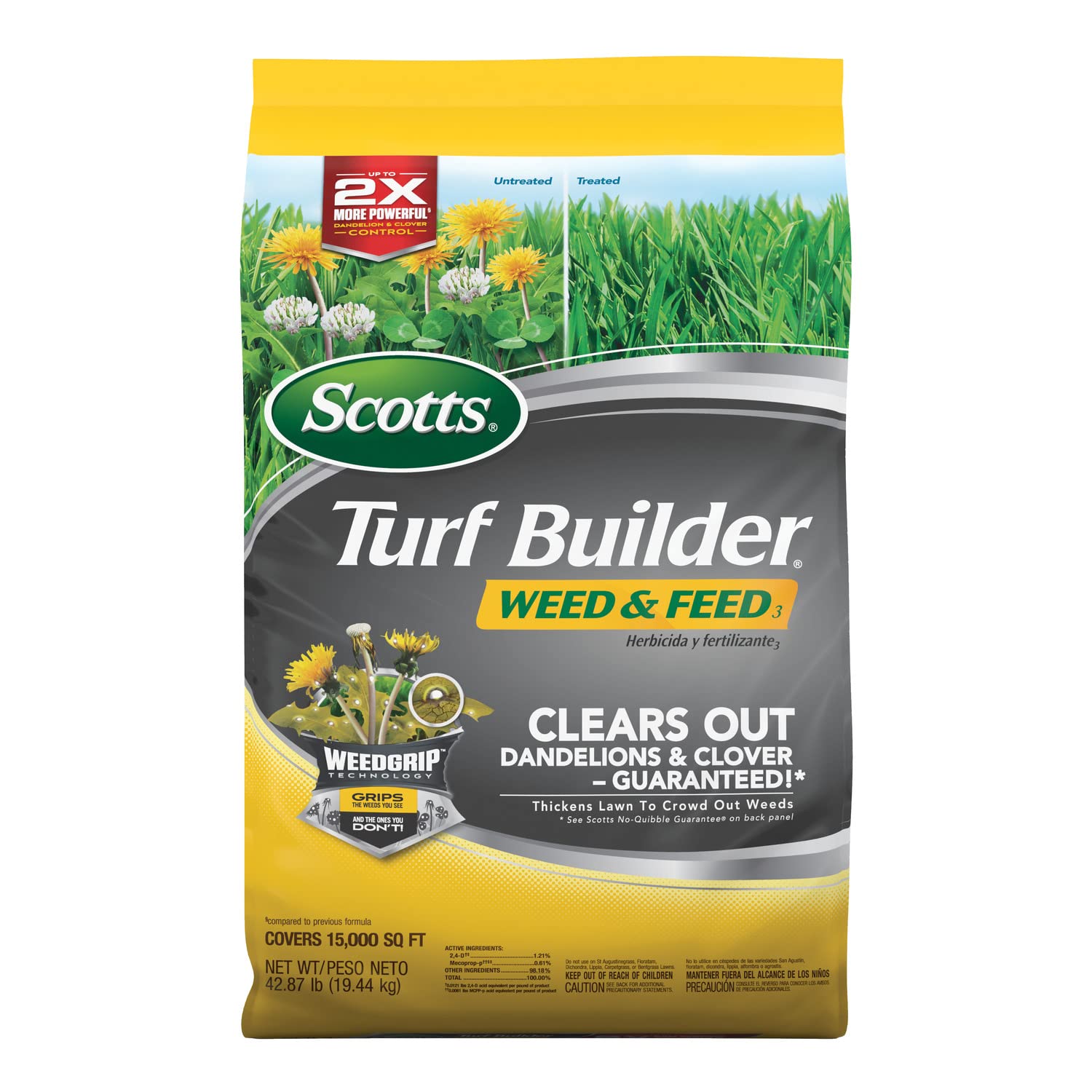
Scotts Turf Builder Weed & Feed3, 42.87 lbs.
A full-lawn granular feed with broadleaf control, and fall is when the weeds pull herbicide down to the roots instead of just burning the leaves
It is a whole-lawn decision, not a spot fix. It stays out of the beds, and it rules out overseeding in the same window
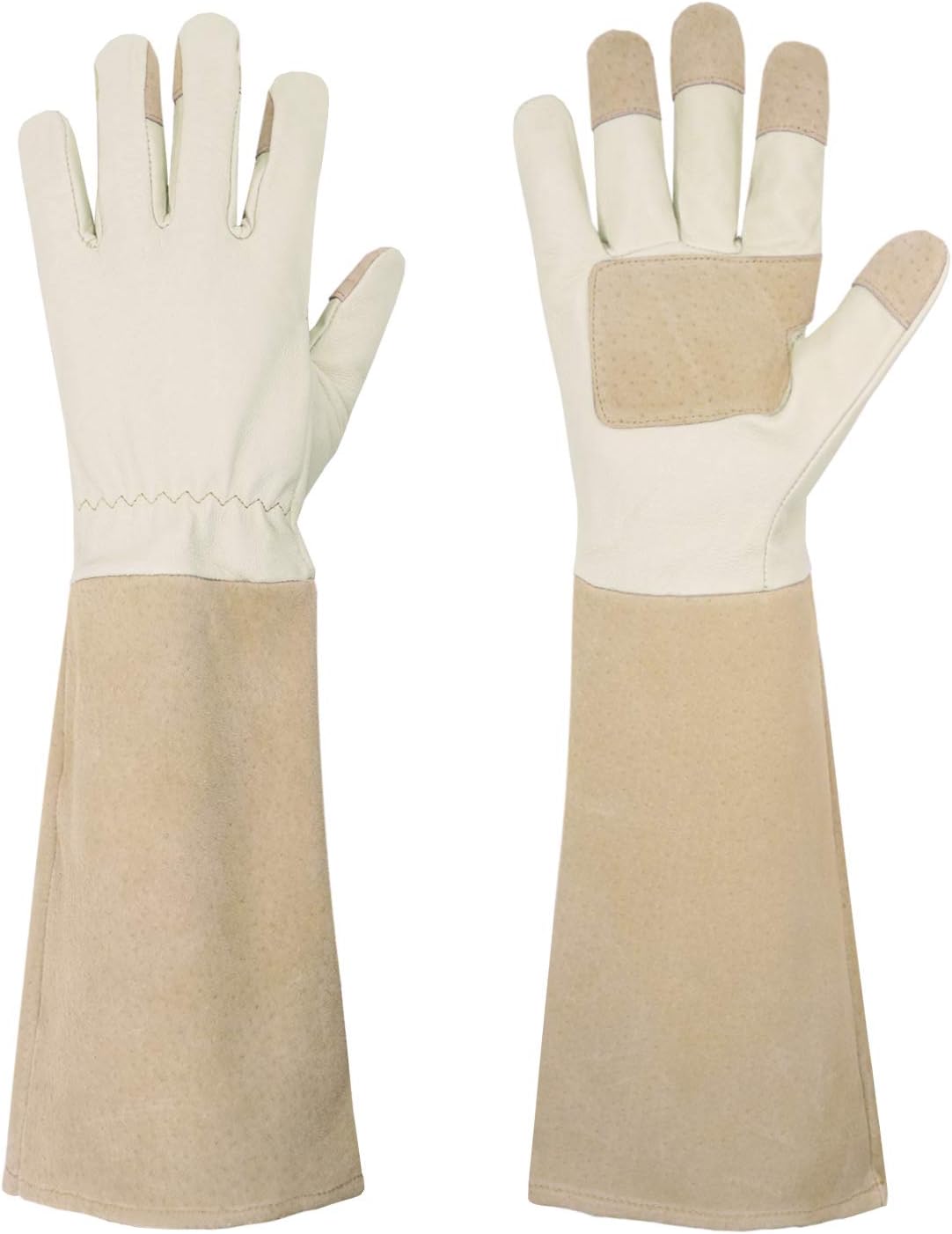
HANDLANDY Rose Pruning Gloves for Men Women, Thorn Proof Gardening Gloves
Built for cane work: a reinforced palm and a longer cuff, so blackberry and rose cleanup stops costing you forearms
Bulk costs dexterity. You will not deadhead or weed with these on, and they run hot in July
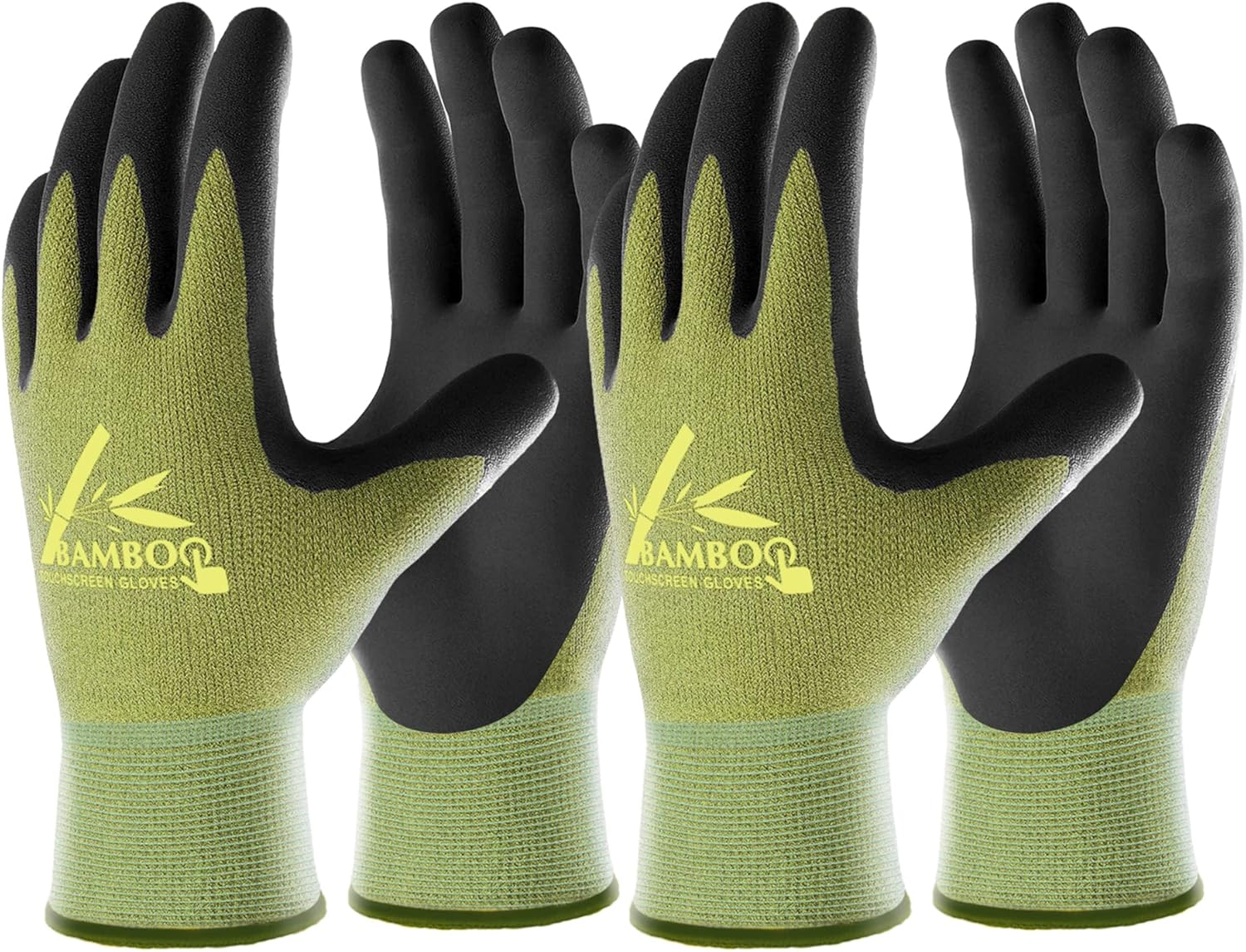
COOLJOB 2 Pairs Gardening Gloves for Women and Men, Bamboo Working Gloves Touchscreen, Grippy Nitrile Rubber Coated Work Gloves, Green/Black, Large Size (2 Pairs L)
A bamboo liner that breathes, a nitrile palm that grips a wet handle, touchscreen fingertips, and two pairs so one can be drying
Zero thorn protection. The coating wears at the fingertips first, and knit cuffs collect soil
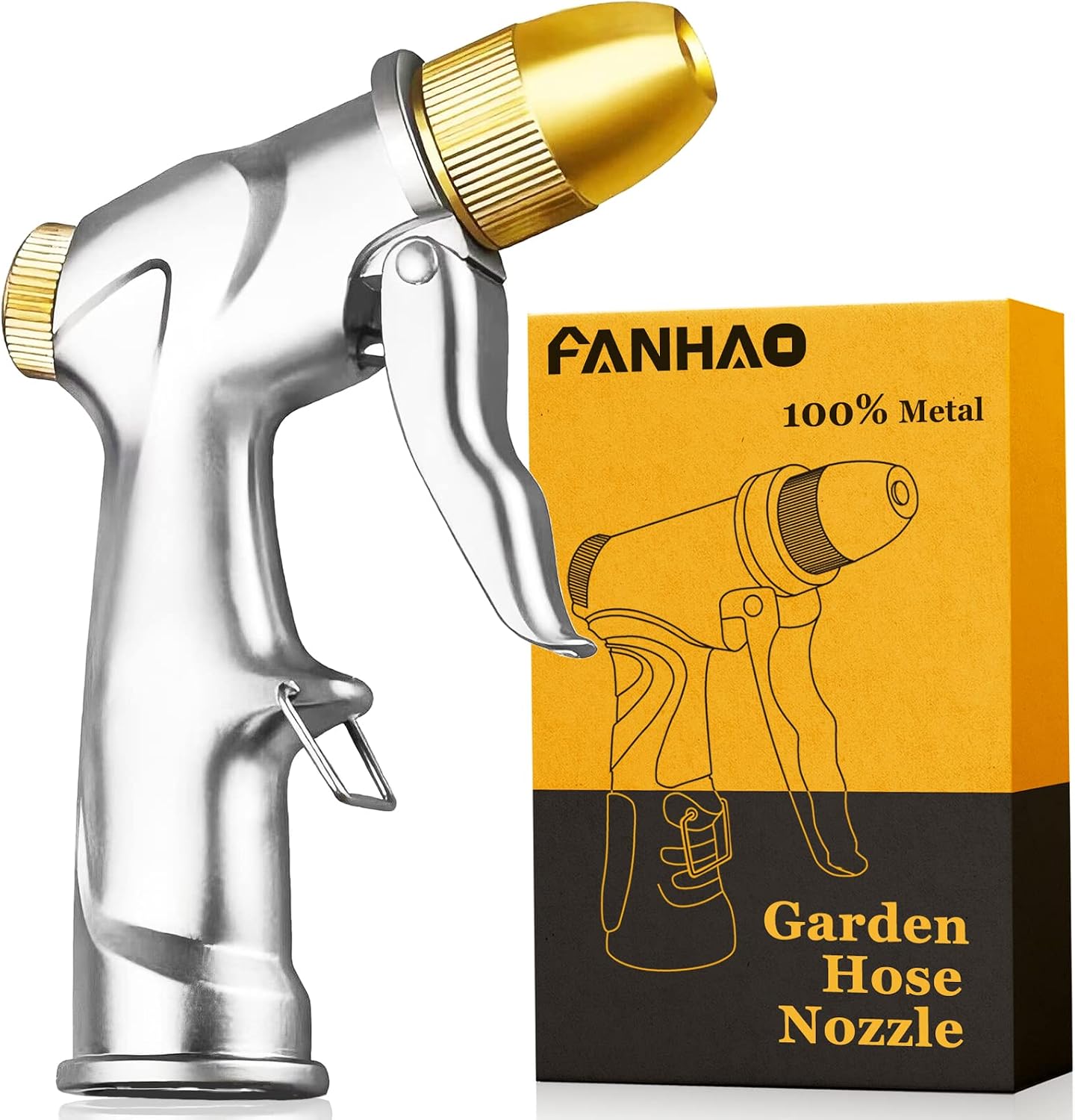
FANHAO Upgraded 100% Metal Garden Hose Nozzle Heavy Duty, High Pressure
A metal body and metal threads are what survive being left on the hose through a freeze-thaw cycle, where plastic cracks at the collar
Heavier in the hand than plastic, and high pressure is a setting, not a default for new seed
Prices and availability were captured from Amazon Creators API and may change.
Why timing beats brand on a granular feed
The Scotts Turf Builder Weed & Feed3 comes in a 42.87 lb. bag, which tells you what it is: a whole-lawn product, not a spot treatment. That size is the point and the problem. If you are feeding a full quarter-acre of turf, buying in bulk is the only sensible math, and a fall application does more work than a spring one because the weeds are in translocation mode. They are pulling stored carbohydrates down into the roots to overwinter, and a broadleaf herbicide applied now rides that same current. Spray the same weeds in May and you burn the top, the root survives, and you do it again in August.
The trade-offs are real and they start with calibration. A granular product applied at the wrong spreader setting is either wasted money or turf damage, and both look the same in the bag. Set the rate from the label, walk overlapping passes, and keep the granules off pavement where they will sit and stain. Keep them out of the vegetable beds and away from tree root zones, because the herbicide does not know the difference between a dandelion and a tomato. Leave the first couple of mowings out of the compost pile.
And be honest about your lawn before you buy. If the turf is more weed than grass, feeding it is feeding the problem, and a spot spray plus a fall overseed is the better plan. If you have six dandelions and a decent lawn, a granular whole-lawn application is overkill. Also, do not seed in the same window. The label carries the seeding interval, and it exists for a reason.
Two glove jobs, two gloves
The glove question is never "which pair is best." It is "which job." Cane work and general work are different jobs, and the two gloves here split cleanly along that line.
The HANDLANDY rose gloves are the cane pair. A reinforced palm and a long cuff are what keep a blackberry cane or a pyracantha branch from opening your forearm, and that cuff length is the part people underestimate until the first scratch runs from wrist to elbow. The trade-off is dexterity and heat. A glove built to stop a thorn is a glove that will not let you pick a snap pea or pinch a sucker, and in July you will take it off after twenty minutes. "Thorn proof" is also a marketing phrase, not a physics claim. Nothing is truly proof against a mature blackberry thorn driven by a pruner; what you are buying is a couple of millimeters of padding and a cuff that covers the artery.
The COOLJOB pair is the working glove. The bamboo liner breathes, which matters more than any spec sheet number when you are wearing them for three hours in September, and the nitrile palm gives you grip on a wet shovel handle or a slick hose fitting. The touchscreen fingertips mean you can answer a call without peeling a glove off with your teeth. Two pairs in the pack is a genuinely useful detail, because one can be on your hands while the other dries.
What you give up is protection. These will not save you from a rose bush, the coating wears through at the fingertips before the liner fails, and the knit cuff collects soil and seed like a broom. Wash them by hand, air dry them, and keep them out of the dryer, because heat is what kills the coating early. Sizing is not universal either, so measure your hand rather than trusting the letter.
The nozzle question is a freeze-thaw question
A hose nozzle looks like a trivial purchase until you leave one on the spigot through an Ohio January. Water freezes, expands, and the cheapest part of the assembly fails first. On a plastic nozzle that is the collar or the threads. On the FANHAO, the body and threads are metal, which is the whole argument for it. Metal threads also hold up to being tightened and loosened hundreds of times without stripping, and a stripped plastic thread means a nozzle that leaks at the connection for the rest of its life.
The honest trade-offs: a metal nozzle is heavier in the hand, which you notice on the fortieth pot of the evening, and it costs more than the dollar-store option. Metal is also not immune. Leave water trapped inside the body and it can still split or push a gasket out of its seat. Bring it indoors after the last watering of the season, and drain the hose while you are at it.
One more caution: high pressure is a setting, not a default. A jet stream is right for blasting a driveway and wrong for a freshly seeded patch, where it will move seed and wash out the soil you just leveled. Fresh seed wants a gentle shower. Use the setting that matches the job, or you will spend October fixing September.
What this lineup does not cover
Four items is not a fall plan. This list has no pruners, no spreader, no leaf rake, and no soil test, and the soil test is the one I would add before anything else. You cannot choose a fertilizer intelligently without knowing your pH and your phosphorus level, and the extension labs will run that for less than the cost of the feed. Feeding a lawn that did not need phosphorus is money into the watershed.
There is also no hose in this list, no spigot splitter, and no seed. If you are overseeding this fall, the weed and feed and the seed are mutually exclusive for the interval on the label, so pick one job per window and do it properly.
How I would sequence a September weekend
Pull the soil sample first, because it takes time to come back. Mow and bag if the weeds are already throwing seed, so you are not spreading the problem you are about to treat. Apply the granular feed when the foliage is dry and the forecast has a couple of days without heavy rain, then water it in per the label. Wait out the interval before you touch the turf with anything else. Prune the canes with the heavy gloves on, and switch to the nitrile pair for cleanup, hauling, and pot work. At the end of the day, drain the hose and bring the nozzle inside. That last thirty seconds is the difference between a nozzle you own for six seasons and one you replace every spring.
Price per season of service
This is the only number I trust. A cheap tool that survives a full season beats an expensive one that dies in August, and a whole-lawn granular feed that costs more per bag than a spot spray is still the better buy if it does the job in one pass instead of four. The gloves are the clearest example in this lineup: the bamboo pair costs less per hand than most single pairs on the shelf, because you are buying two, and the heavy rose pair earns its price the first time you clear a cane thicket without bleeding. None of these four is the fanciest option in its category. All four are the kind of thing that is still in the shed next fall, and that is the whole test.