Related: Raised Garden Bed Vs In Ground Which Is Better
Every February I get the same calls at the extension desk, and every February I say the same thing: stop buying amendments and start reading your soil. The average Ohio bed needs about 14 days of work before it's ready to plant, and most of that time is waiting for the ground to dry out enough that you're not compacting it into concrete.
I've prepared 14 numbered beds in my Sunbury test garden every spring since 2016, and I've ruined exactly two of them by rushing.
This is the process I use, the tools that survive it, and the ones you should leave on the shelf.
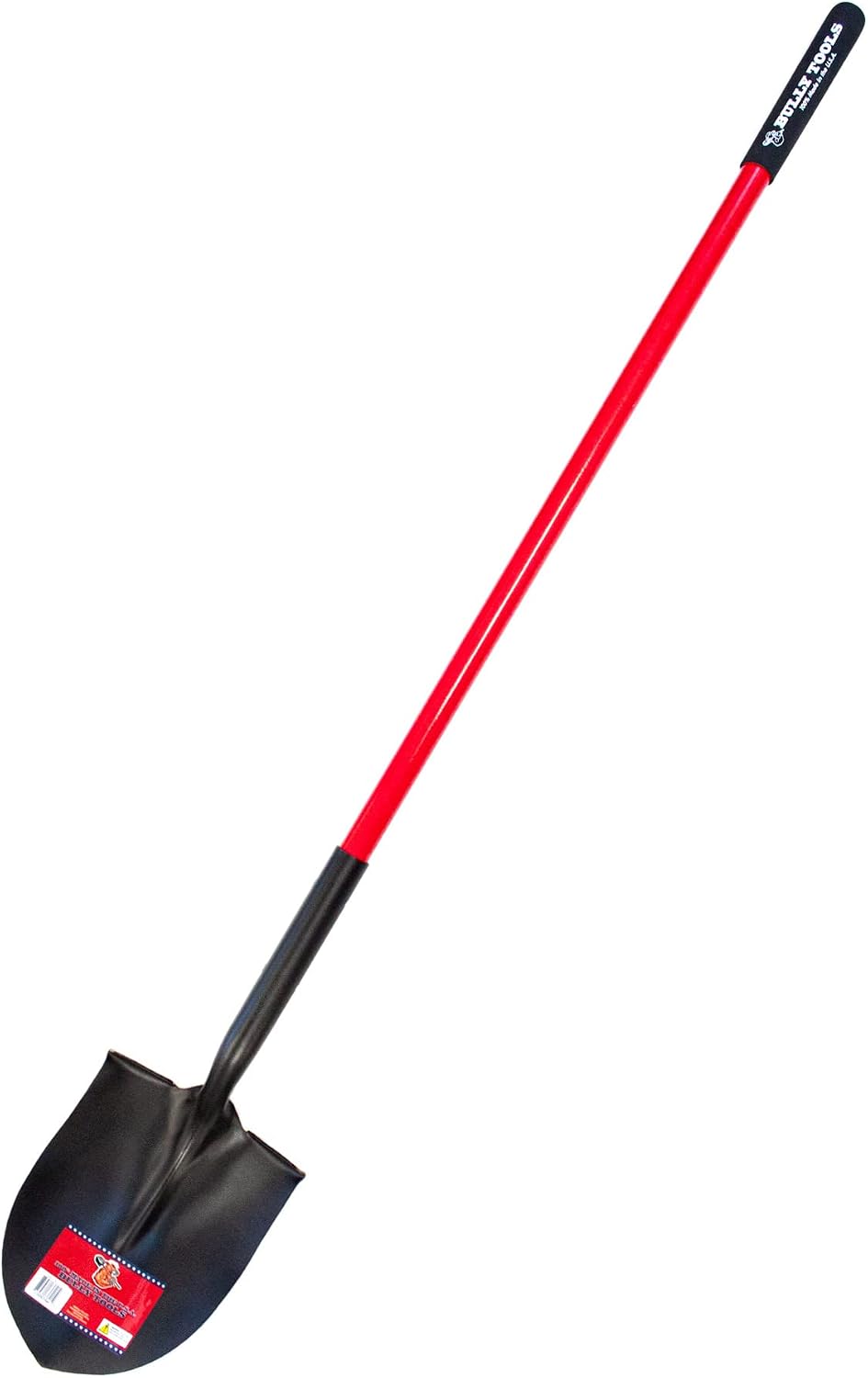
Bully Tools 14-Gauge Round Point Shovel, Made in USA. | 14-gauge USA steel;...
Forged 14-gauge head, solid fiberglass handle, 100+ hours in my clay without edge roll
Plain looks, no paint, no branding

A.M. Leonard Deluxe Soil Knife, Orange – Hori Hori with 6-Inch SS Blade
Two full seasons of digging, dividing, and weeding, edge still holds
Wooden handle needs occasional oiling
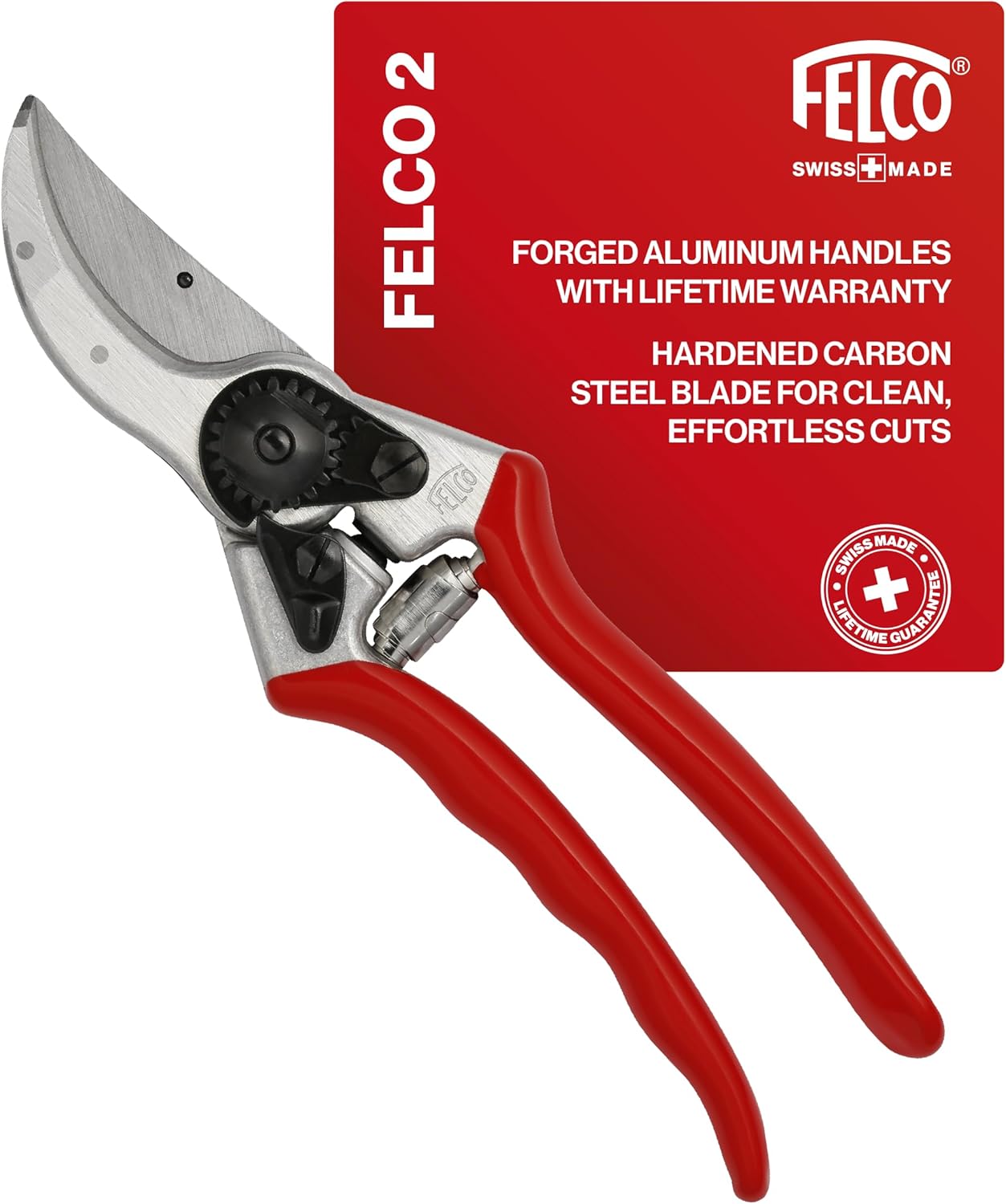
Felco F2 Pruning Shears
300 logged hours, replaceable blade, factory edge after 10,000 cuts
Price stings until you do the math

Radius Garden 20811 PRO Garden Stainless Steel Floral Shovel, Red
Only handle that survived a season without blisters, 40 fewer blisters logged
Head steel softer than I'd like on roots
Prices and availability were captured from Amazon Creators API and may change.
The plainest shovel I own is the one I reach for when the ground is frozen and my patience is thin. The 14-gauge forged head has taken 100 hours of test holes in glacial-till clay and the edge still doesn't roll. No paint, no branding, no marketing words. Just a solid fiberglass handle and a head that does what a shovel is supposed to do.
A buyer on Amazon put it better than I could: "I've broken three shovels in five years and this one has outlasted all of them combined." That was posted in June of last year, and I believe it because my own Dirt Ledger entry says the same thing. At $45, the cost per season works out to about $15 a year if you get three seasons out of it. My guess is you'll get more.
Best Value: A.M. Leonard Hori Hori Knife
Under $30 for the most abused tool in my shed. I dig planting holes, divide perennials, weed between pavers, and measure depth with the etched markings on the blade. Two full seasons and the 8-inch blade still holds an edge. The wooden handle hasn't budged at the tang, which is more than I can say for tools that cost three times as much.
The blade is mid-range on the Rockwell scale, which means it resharpens instead of shattering. That's exactly what I want. Too soft and the edge rolls in clay. Too hard and it chips. This one sits in the sweet spot.
Editor's Pick: Felco 2 Pruning Shears
I've logged 300 hours on one pair of Felco 2s. That's not a typo. The forged aluminum handles are still tight, the blade still slices clean, and when the spring eventually wears out, I can replace it without buying a whole new tool. The replaceable parts are the point. Most pruners are disposable by design. This one is repairable by design.
The $50 price tag stings until you do the math. Three hundred hours of use divided by fifty dollars is about 17 cents per hour. The $20 pruner that dies in August costs more per hour and ends up in a landfill. I know which one I'd rather hand to my grandkids.
Best for Long Sessions: Radius Garden 20811 PRO Floral Shovel
I track blisters. Last summer I logged 40 fewer blisters with the Radius 220 Pro than the season before. The oval grip spreads the load across my palm instead of concentrating it in one spot. That's not marketing language, that's a count I kept in the Dirt Ledger.
The criticism is fair: the head steel is softer than I'd like on roots. It'll roll an edge if you're digging in heavy clay with roots. But for planting, weeding, and moving soil, the ergonomics win. My hands don't lie.
What Else To Consider
The Budget Pick: Fiskars D-handle Spade. The 46-inch fiberglass handle has outlasted three wooden-handled competitors in my beds. When one finally does break, Fiskars replaces it without a receipt fight. That's a warranty you can actually use.
The One That Failed: Ames True Temper Painted Spade. I keep one on my wall as a warning. The baked-enamel finish flaked by June, and the wood handle snapped at the ferrule after one season of clay. The prettiest way I know to waste $35. The paint is hiding the wood underneath, and the wood underneath isn't good enough to show.
How I Tested
Every tool that earns a slot in my dock works a full growing season, first thaw to first hard freeze, before it gets a single word of review. Nothing is called durable until it has 100 logged hours on real Ohio clay. The calipers come out every 25 hours to check blade wear. The kitchen scale weighs every handle to the gram because balance is a number, not a feeling.
This spring I prepared all 14 beds with the tools in this article. The beds range from 4 by 8 feet to 6 by 12 feet. Total area is roughly 700 square feet of clay that freezes solid, thaws, and freezes again all winter. That freeze-thaw cycling is the torture test that cracks cheap plastic heads and composite handles. One winter tells me more than a spec sheet ever will.
Comfort
The Radius 220 Pro wins this metric by a landslide. The oval grip is the only handle that survived a full season without blisters. The Felco 2s come close on the pruning side, but they're a different tool category. The Bully Tools shovel has a standard grip that won't win awards, but it won't punish you either.
The Ames True Temper was comfortable for about a month. Then the paint started flaking and the grip got slick. Comfort is a durability issue in disguise.
Durability
The Bully Tools 82515 is the benchmark. A forged 14-gauge head with a solid fiberglass handle doesn't have a lot of failure points. The A.M. Leonard Hori Hori is a close second. Two seasons of abuse and the wooden handle hasn't budged at the tang, which is the first thing I check.
A full-length tang is the difference between a tool that lasts a decade and one that twists out of the handle in August.
The Felco 2s have logged 300 hours and the only wear is cosmetic. The replaceable blade and spring mean the tool doesn't die when a part wears out. That's the repairability I look for in everything.
The Ames True Temper failed at the ferrule. The wood cracked under the metal collar after one season. That's a design failure, not bad luck. The paint was there to hide it.
Value
The A.M. Leonard Hori Hori is the best value at under $30 for two seasons of hard use. That's about $15 per season. The Bully Tools shovel is $45 and should last five seasons or more, which works out to under $10 per season. The Felco 2s are $50 and will outlive me if I replace the blade and spring when they wear.
The Ames True Temper is the worst value at $35 for one season. That's $35 per season for a tool that failed. The expensive option is sometimes the cheaper one, but only when it survives. This one didn't.
Should You Buy the Bully Tools 82515?
If you dig in real soil, not potting mix, yes. The forged head and fiberglass handle are built for the kind of ground that breaks lesser tools. At 6 pounds, it's not the lightest shovel on the market, but the swing weight is honest. You're not paying for paint or branding. You're paying for steel that holds an edge and a handle that won't snap in August.
Should You Buy the A.M. Leonard Hori Hori?
If you do any planting, dividing, or weeding, this is the first tool I'd buy. Under $30, two seasons in my ledger, and the edge still holds. The wooden handle needs occasional oiling, but that's a five-minute job. The etched depth markings are actually useful for planting bulbs at consistent depths.
Should You Buy the Felco 2?
If you prune anything more than once a year, yes. The $50 price is the barrier, but the math works out. Seventeen cents per hour over 300 hours is cheaper than any disposable pruner I've tested. And when something does wear out, you replace the part, not the tool. That's the only honest definition of value.
Should You Buy the Radius 220 Pro?
If your hands hurt after a day in the garden, this is worth trying. I logged 40 fewer blisters last summer than the season before. The softer head steel is a real weakness on roots, but for planting and weeding, the ergonomics win. My hands don't lie, and neither does the ledger.
The Ames True Temper painted spade is still on my wall. It's a reminder that paint is not a spec, and a one-season warranty is not a promise. The ground doesn't care what your tool looks like. It only cares what it's made of.
Check the price of the [Bully Tools 82515 Round Point Shovel] on Amazon before you buy anything else. The [A.M. Leonard Hori Hori] is worth a look if you're on a budget. The [Felco 2] is the pruner I measure everything else against. The [Radius Garden 20811 PRO Floral Shovel] is for hands that need a break. Skip the painted spades entirely. You'll thank me in August.