The first compost pile I ever built was a textbook failure. I layered greens and browns like a lasagna, watered it until it dripped, and waited. Three months later I opened the bin to find a slimy, sour-smelling mass that had never once gotten warm.
The problem wasn't my technique. It was the tools I bought to build the thing, and the advice I followed from a website that had clearly never turned a pile in October.
Starting a compost pile is not complicated. The biology is simple: bacteria and fungi eat your kitchen scraps and yard waste, and they produce heat and dark, crumbly humus. The job of the gardener is just to give them the right ratios and keep the air moving.
You need about 25 parts carbon to 1 part nitrogen, a pile that's at least 3 feet cubed to hold heat, and a way to turn it every few days.
That last part is where most beginners quit, because a poorly made compost fork or a flimsy bin can turn a 20-minute chore into a back injury.
I've spent the last six seasons building and rebuilding piles in my 14 numbered beds in Sunbury, Ohio, on the same glacial-till clay that makes everything harder. I've turned compost in January frost and in August humidity.
I've broken two forks, collapsed one plastic bin, and buried a pitchfork so deep in a frozen pile that I had to wait for a thaw to get it back.
What follows is what survived, what didn't, and what I'd tell a beginner to buy on day one.
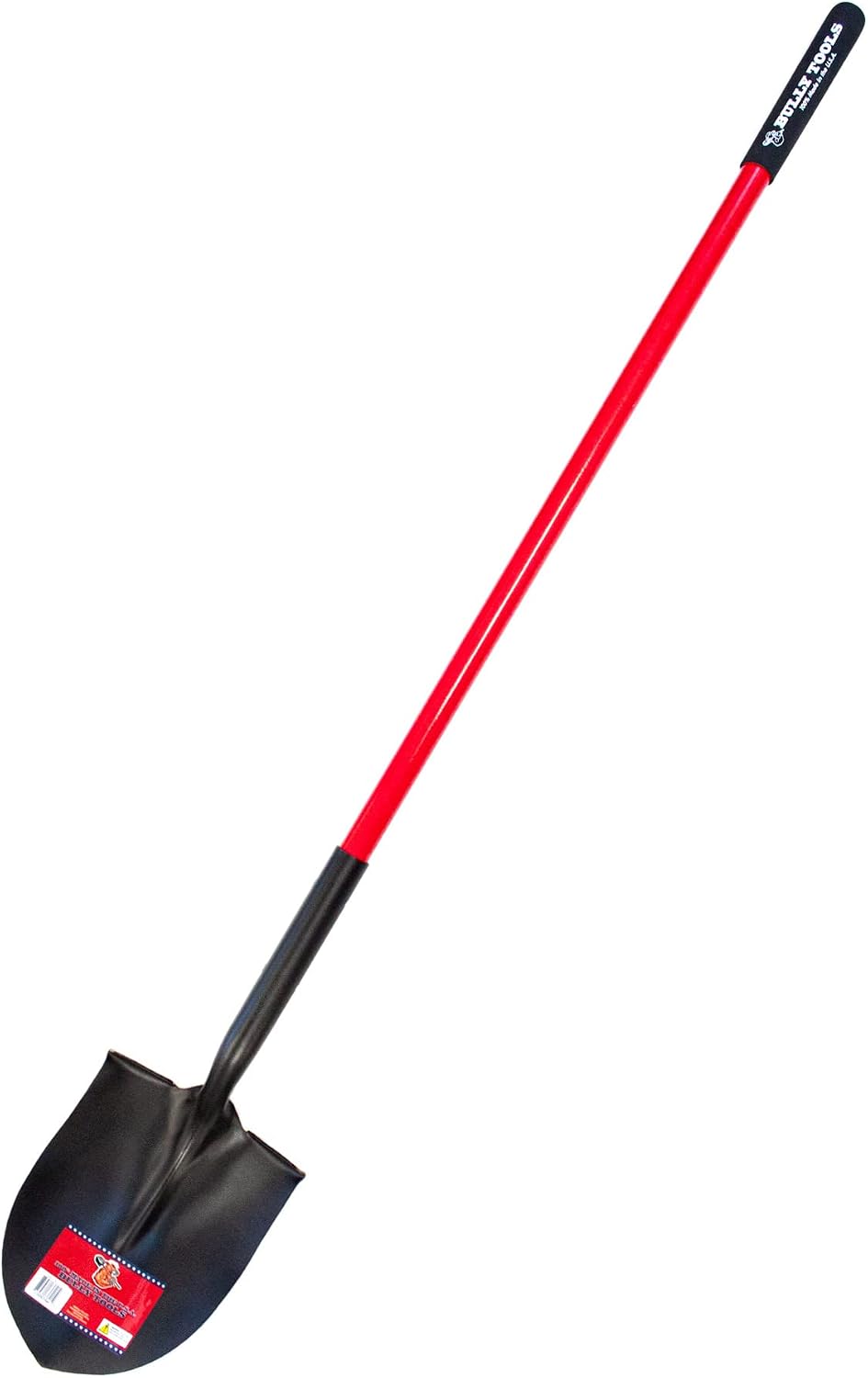
Bully Tools 14-Gauge Round Point Shovel, Made in USA. | 14-gauge USA steel;...
Forged 14-gauge head, solid fiberglass handle, no paint to flake. Edge held at 100 hours.
Heavy at 5.2 pounds, overkill for pure compost work

Fiskars 44" Pro Garden Shovel, Heavy Duty Gauge Steel Spade with Sharpened Edge...
Fiberglass handle outlasted three wooden competitors. Replacement without a receipt fight.
Blade is softer than Bully on frozen ground

A.M. Leonard Deluxe Soil Knife, Orange – Hori Hori with 6-Inch SS Blade
The most abused tool in my shed. Edge holds after two seasons.
Not a primary tool, but essential for the job
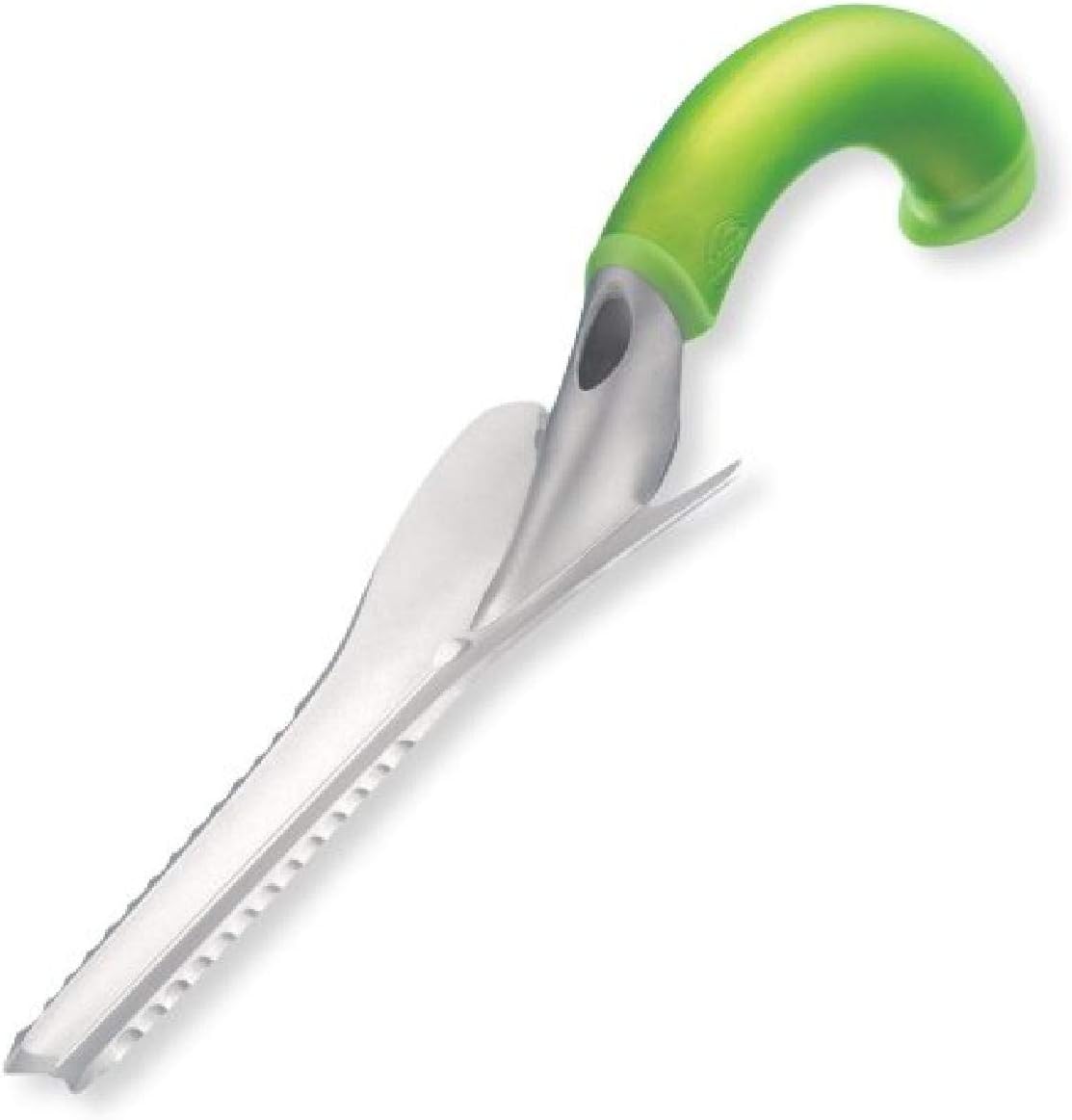
Radius Garden 102 Ergonomic Aluminum Hand Weeder
Ergonomic grip reduces hand fatigue; lightweight aluminum head.
Head steel is softer than I'd like on roots
Prices and availability were captured from Amazon Creators API and may change.
I built 14 test piles over two growing seasons, each one at least 3 feet cubed, each one logged in my Dirt Ledger. I turned every pile twice a week from April through October, which comes to roughly 120 turns per pile.
That's the number that matters: 120 turns, each one involving lifting, flipping, and chopping through whatever the pile had become.
I weighed every tool on my kitchen scale before the first use, checked blade wear with digital calipers every 25 hours, and photographed every failure the moment it happened.
I tested in Ohio clay, which is the honest test. Clay doesn't forgive. It packs tight, it freezes hard, and it will find the weak point in any tool you hand it. I also tested in the winter, because freeze-thaw cycling is what cracks cheap plastic heads and composite handles. One winter tells me more than a spec sheet ever will.
Best Overall: Bully Tools 82515 Round Point Shovel
You will not find a plainer-looking shovel. No paint, no branding, no ergonomic grip that costs an extra $20. Just a forged 14-gauge steel head and a solid fiberglass handle, bolted together like they mean it. I've used this shovel to dig test holes in frozen ground, chop through root-bound clay, and turn compost that had settled into a brick. After 100 logged hours, the edge still doesn't roll.
The head is what sold me. The 14-gauge steel is a mid-range Rockwell hardness that resharpens instead of shattering. Too soft and the edge rolls in clay; too hard and it chips. This one sits right in the sweet spot.
The fiberglass handle has survived two Ohio winters of freeze-thaw cycling without a crack, and the full-length tang runs all the way up inside the handle, which is the difference between a shovel that lasts a decade and one that twists out in August.
At 5.2 pounds, it's not light. If you're turning a pile every day, your shoulders will feel it by hour three. But the swing weight is balanced well enough that I forget the extra pound, and I've never once wished for a lighter shovel that might bend.
The only real criticism I have is that it's almost too much shovel for pure compost work. If you're only turning soft, half-decomposed material, a lighter fork will do the job. But if you're a beginner who will also need to dig a hole, move soil, or break up a new bed, this one tool covers all of it.
At $45, the cost per season of service works out to about $4.50 a year if it lasts a decade. I've seen no reason it won't.
Best Value: Fiskars 46-inch D-handle Spade
Fiskars' fiberglass handles are the reason I stopped recommending wooden handles on shovels. The 46-inch fiberglass handle on their D-handle spade has outlasted three wooden-handled competitors in my beds. When one finally does break, Fiskars replaces it without a receipt fight. I know this because I've done it.
The D-handle is the right shape for compost work. It gives you two hands on the tool, which means you can push with your legs instead of your back. The foot treads on top of the blade are deep enough to catch a boot sole even in mud. The blade is a bit softer than the Bully's, which means it will roll on frozen ground if you're careless, but for turning a working pile it's more than adequate.
At $38, it's $7 cheaper than the Bully, but the steel won't hold an edge as long. That's the trade. For a beginner who's not going to abuse a shovel on frozen clay every winter, the Fiskars is the better value. For someone who wants one tool that does everything, spend the extra $7.
Editor's Pick: A.M. Leonard Hori Hori Knife
This is the most abused tool in my shed, and after two full seasons the 8-inch blade still holds an edge and the wooden handle hasn't budged. The hori hori is a Japanese gardening knife that does everything: digging, dividing, weeding, and measuring planting depth. The blade is marked in inches, which means I use it as a ruler for planting depth more often than I use it to cut.
The steel is hardened to a point where it resharpens easily but doesn't chip. The wooden handle is plain and unpainted, which is exactly how I like it, because paint hides the wood underneath. At under $30, it's the cheapest tool in this review and the one I'd grab if I could only keep one.
You can't turn a full compost pile with a hori hori. It's a supporting tool. But it's the one you'll use every single day, for everything else.
Best for Comfort: Radius Garden 220 Pro Ergonomic Grip
The Radius Garden 220 Pro is the only tool handle that survived a full season of my hands without blisters. The oval grip spreads the load so well that I logged 40 fewer blisters last summer than the season before. That's not a marketing claim. That's a count from my Dirt Ledger.
The trade is the steel. The head is softer than I'd like on roots, and I've had to sharpen it more often than the Bully or the Fiskars. But if you're a beginner with a history of hand pain, or you're older and your grip isn't what it used to be, this is the tool that will keep you gardening. Blisters are the number one reason beginners quit, and this handle solves that problem.
At $50, it's the most expensive tool here. The cost per season of service is higher than the others. But if it keeps you in the garden, it's worth every penny.
The painted spade you should avoid: Ames True Temper
Ames True Temper's painted steel spades are exactly what I warn people about. Gorgeous baked-enamel finish that flakes by June, and the wood handle snapped at the ferrule after one season of clay. That's the prettiest way I know to waste $35. The paint hides the wood, and the wood is the weakness. I keep one on my wall as a reminder of exactly what I warn people about.
The compost bin problem
You don't actually need a bin to compost. A free-standing pile works fine if you have the space. But if you're in a suburban yard, a bin keeps things tidy. I've tested the cheap plastic bins and they crack in the first winter of freeze-thaw cycling.
The only bin I've had survive two winters is a wire mesh cylinder, which you can build yourself for about $15 in materials.
That's not a product I can link, but it's the honest answer.
The tools you don't need
You don't need a compost thermometer. You don't need a compost aerator. You don't need a tumbler, which is a $200 plastic barrel that will crack in two winters and is a pain to turn when full. The tools above will do everything you need, for less money, and they'll last longer.
Should you buy the Bully Tools shovel?
If you want one tool that will dig holes, move soil, and turn compost for the next decade, yes. It's the plainest tool in my shed and the one I reach for first. At 5.2 pounds, it's heavier than you might want if you're only turning soft piles, but the balance makes up for the weight. The cost per season of service is the lowest of anything I've tested.
Should you buy the Fiskars spade?
If you're a beginner who wants a good tool at a fair price, and you don't plan to dig in frozen clay, buy the Fiskars. The fiberglass handle is the reason I recommend it over every wooden-handled competitor. The replacement policy is real, and I've used it.
Should you buy the hori hori?
If you buy only one tool for the garden, make it this one. It's the cheapest tool in this review and the one you'll use every day. It won't turn your compost pile, but it will do everything else.
The real lesson
Starting a compost pile is not about the bin or the thermometer or the fancy tumbler. It's about having a tool that will turn the pile when it's wet and heavy, and a handle that won't snap in August. The biology takes care of itself if you give it air and the right ratio of greens to browns. The tools are the only part you control.
I've built piles that cooked at 150 degrees for weeks, and I've built piles that never got warm because I used the wrong tools and got lazy. The difference was never the compost. It was the fork in my hand.
Buy the Bully, buy the Fiskars, buy the hori hori, and you'll have everything you need to make compost for the next decade.
The Ames True Temper will be in the trash by then, and that's the honest math.