Related: Lawn Watering Schedule for Clay Soil
Twenty years of reading soil sample bags at the county extension desk taught me one thing about watering: almost nobody has a sprinkler problem, they have a coverage problem. A sprinkler that throws water onto the driveway while the far corner of the bed bakes has not done the job, no matter what the box promised. Getting the Melnor sprinkler settings right on your own lawn, the flow, the width, and the range dials, matters more than which carton you carry home.
I run a third of an acre in Sunbury, Ohio: fourteen numbered beds, a compost yard, and a strip of turf I cut weekly from March to November. My soil is glacial-till clay, which means water either beads off the surface or sits in a puddle. A sprinkler that dumps water faster than the ground can drink it is just expensive runoff with a hose attached. This guide covers how I think about coverage, which sprinkler shape fits which bed, and how the two Melnor models here split the work. It also covers the two jars on my harvest shelf, because a gardener who stands in the yard for forty minutes waiting on a sprinkler deserves a better snack than a granola bar.
Best for a Rectangle: Melnor XT Oscillating Sprinkler
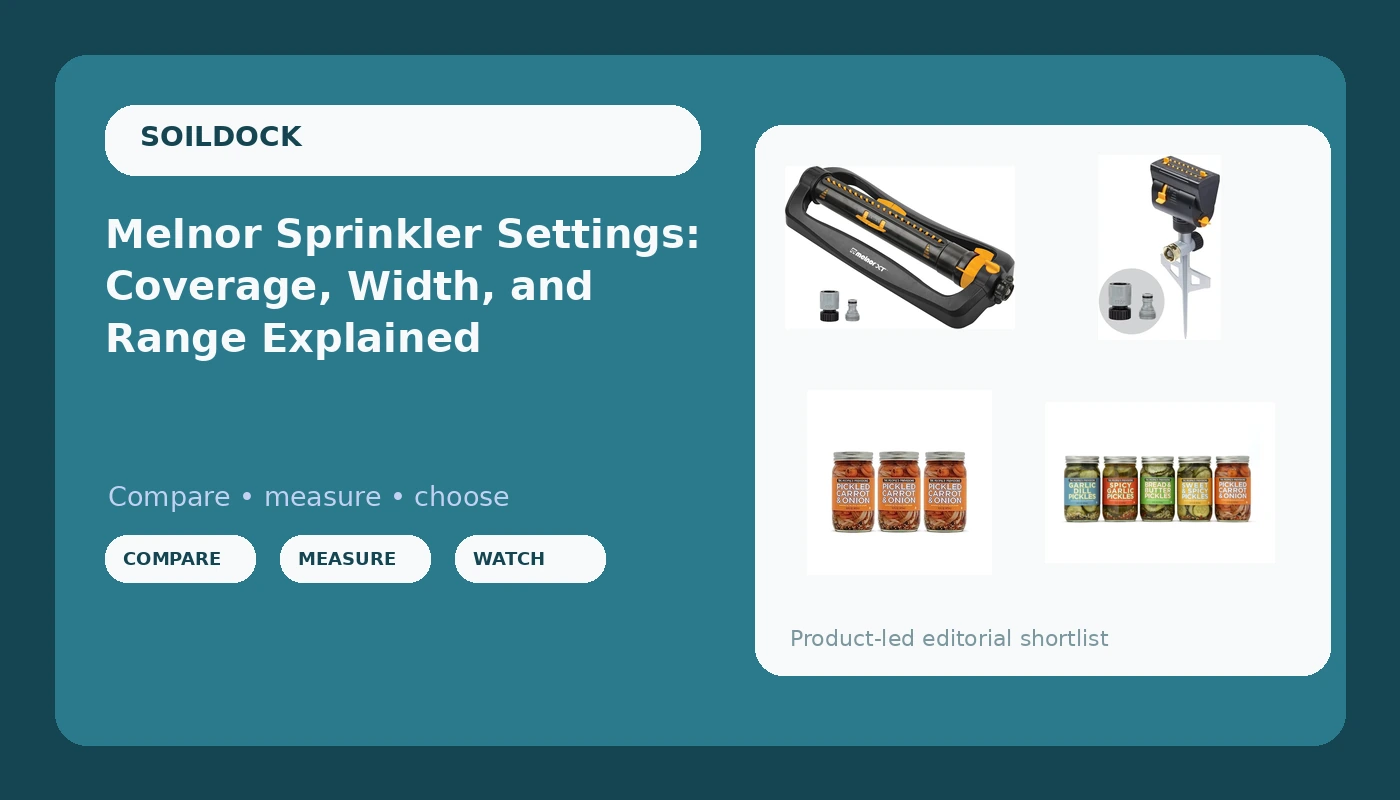
An oscillating bar is the sprinkler I reach for when the shape I need to water is a rectangle. The bar sweeps side to side and lays down a moving band of water, which is exactly the geometry of a lawn strip, a long vegetable row, or a run of new seed along a fence line. The stated coverage on this one is up to 4,500 square feet, and the three dials are the reason it works: flow controls how much water leaves the nozzles, width controls how far the band spreads across the bar, and range controls how far the bar throws it out from the sprinkler body.
On clay, the flow dial is the one that decides whether you are watering or wasting. Turn it up and the surface seals, the water pools in the low spot, and the rest runs to the curb. Turn it down and the same sprinkler will soak a strip properly in two passes. That is the whole trick with an oscillating head: it is a shaping tool, and you are supposed to shape it.
The weakness of any oscillating sprinkler is the mechanism inside the bar. Plastic gears and a plastic sweep arm are what die first, and they die in the shed over winter, not in July. Store it dry and indoors if you can, and this style of sprinkler will give you several seasons. Leave it full of water in an unheated shed through a few freeze-thaw cycles and you will be buying another one.
Best for Corners and Round Beds: Melnor MiniMax Spike Sprinkler
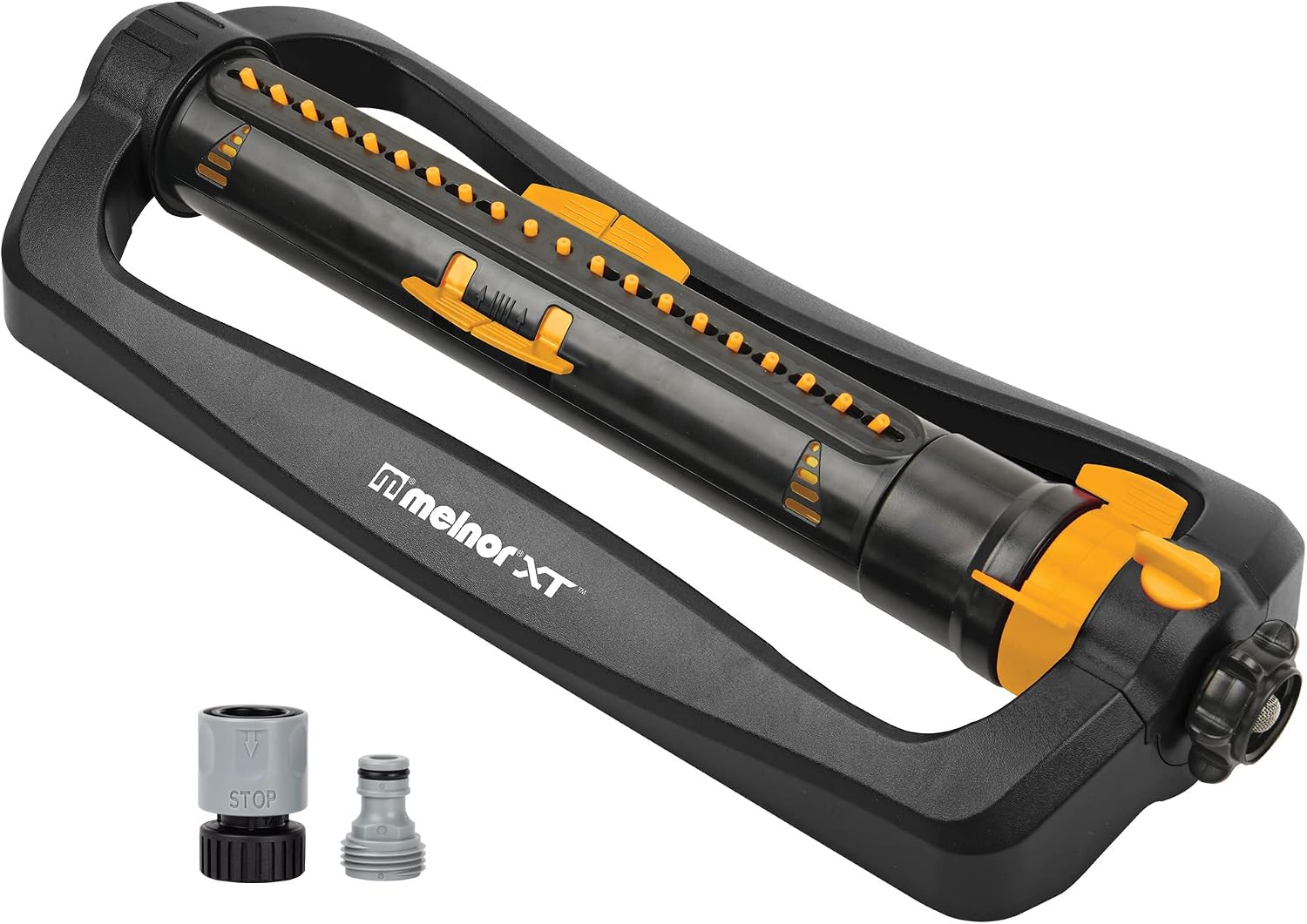
The spike sprinkler is the answer to the bed a rectangle cannot reach. This one covers a full circle, stated up to 4,000 square feet, and it carries the same three adjustments: flow, width, and range. Push the spike into the soil, dial the circle back so it does not paint the sidewalk, and you have a sprinkler that fits an island bed, a corner planting, or a curve of ground that a bar would over-throw on both ends.
I use this shape for two jobs. The first is an irregular bed, where a circle trimmed by the width dial beats a rectangle that soaks the mulch and misses the far side. The second is a small seeded patch, where the goal is not depth but moisture. Set the flow low, set the range short, and let it run, because seed wants the top inch of soil damp and nothing more.
One caution specific to clay: a spike sprinkler delivers most of its water near the center of the circle. That center will saturate first, long before the outer edge has had a drink, and saturated clay stops absorbing. Two short runs with a pause between them will beat one long run every time.
The Harvest Shelf: Pickled Carrots and Onions
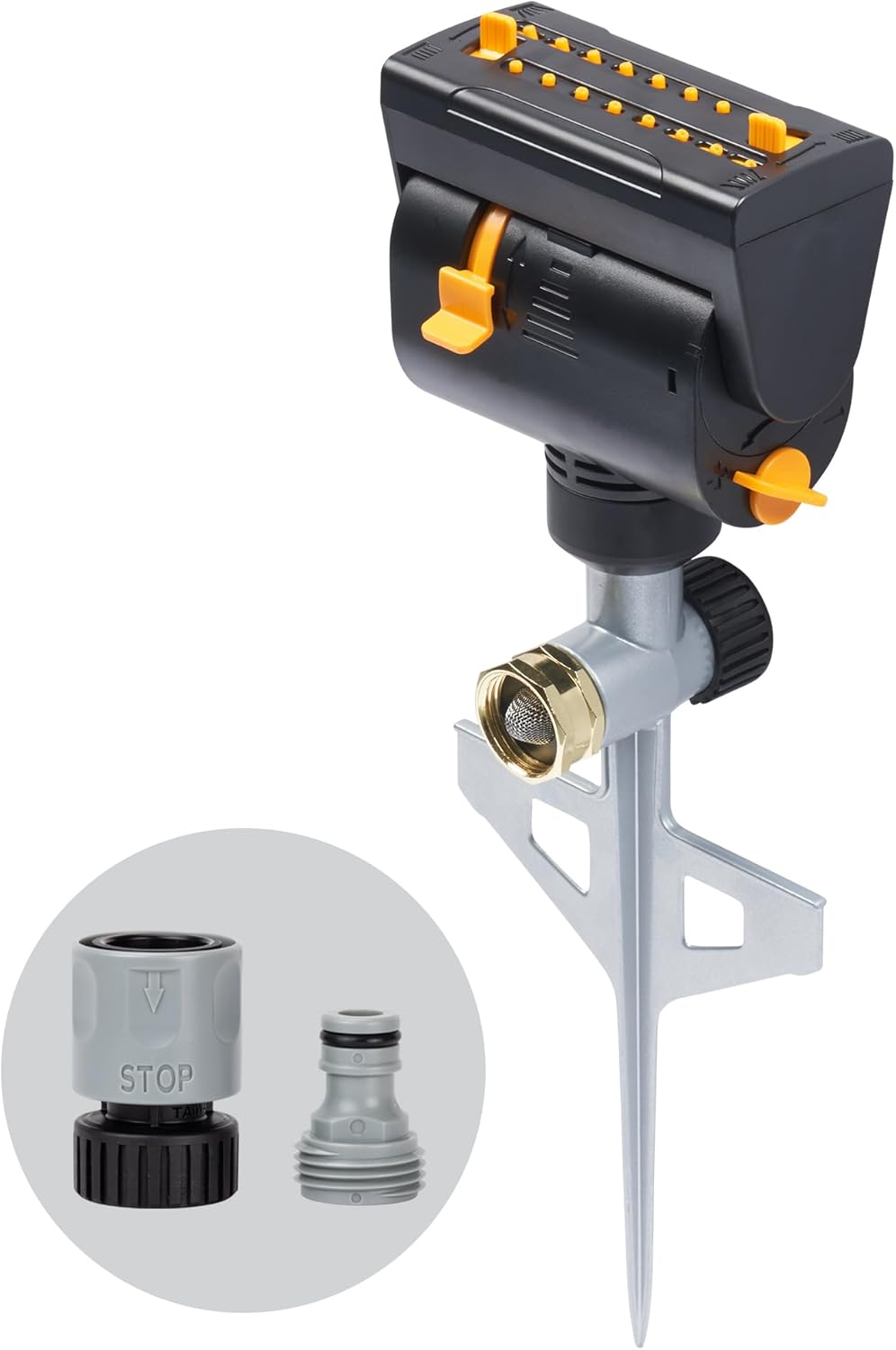
This is not a garden tool and I am not going to pretend it is. The People's Provisions packs taqueria style pickled sliced carrots and onions in 16-ounce jars, three to a pack, and the reason it earns a line in a watering guide is simple: it is shelf stable, it keeps in the shed fridge, and it is the thing I put on a plate when I have spent an afternoon moving a sprinkler around numbered beds. Sliced carrots and onions, vinegary and bright, are the kind of jar that goes on tacos, on a sandwich, or straight out of the jar while you wait for the second pass to finish.
If you grow carrots, you already know the feeling of pulling a bucket and having no plan for all of them. This is a plan for the days when you do not want to stand at the stove with a boiling water bath.
The Gift Pack: All Things Pickled, Five Jars
Five jars, five flavors: garlic dill, spicy garlic, bread and butter, sweet and spicy, and pickled carrots. As a gift for the gardener who already owns every tool worth owning, this is a better answer than another pair of pruners they will never use. It is also the easiest way to find out which flavor you want to buy again, since a five-jar pack covers the range from sour to sweet without committing you to a case of any one of them.
Keep the jars out of the sun and out of the shed's freeze line. A jar that freezes and thaws goes soft, and there is no tool in my shed that fixes that.
How I Judge a Sprinkler Before It Earns a Dock Slot
Sprinklers are the one category where I read the box before I read the yard. There is no tang to check and no steel hardness number to chase, so the questions change.
First, is the stated coverage honest for my water pressure? A sprinkler rated for thousands of square feet will only reach that number on a good day with strong pressure and no wind. Most of us are watering in the evening with a well pump or a city line that drops when the neighbor's irrigation kicks on. Assume you will get less than the box says and set the dials by what you see on the ground.
Second, are the adjustments real? Flow, width, and range dials are the difference between a sprinkler you fit to your yard and a sprinkler you fight all summer. A single on-off lever with no shaping control means you water the sidewalk and call it a lawn.
Third, what happens in January? Plastic gears, plastic sweep arms, and plastic spike bases are the parts that fail, and they fail in the cold. If the plastic feels thin at the hinge, it will crack. Store sprinklers dry, indoors, and they will surprise you.
Fourth, what is the price per season of service? A sprinkler that costs a little more and lasts four seasons is cheaper than the one you replace every June. That math is the only honest number in this whole category.
Analysis: Matching the Sprinkler to the Bed
The single biggest watering mistake I see is running a sprinkler until the puddle forms. Clay takes water in slowly, roughly a tenth to a fifth of an inch per hour in my beds, while most sprinklers put out several times that. The water you see running down the driveway is not extra watering, it is lost watering.
So the method is a cycle and a soak. Set the flow low. Run a pass. Stop and let the surface drink for a while, then run a second pass. Two short passes put more water at the root zone than one long one, every time.
Second, measure instead of guessing. Scatter a few straight-sided cans around the edge of the pattern, run the sprinkler for a set period, and look at what landed. That tells you your actual coverage, your actual spread, and where your pressure falls off. It takes ten minutes and it replaces every spec sheet on the box.
Third, match the shape. A rectangle of turf wants an oscillating bar. A round bed, a corner planting, or a curve wants a spike sprinkler. Trying to force one shape into the other job is how you end up with a dry corner and a swampy walkway.
Fourth, water early. Evening watering on clay leaves foliage wet overnight, and morning watering loses less to evaporation. If the only time you have is after work, water anyway, but water slowly.
The Sprinkler Settings Reference Table
This is the table I keep in the shed, and it is how I think about these four items. Coverage figures are the manufacturer's stated maximums, not a promise for your yard. Adjust to your pressure, your wind, and your soil. Set cans out and check your own numbers.
| Item | Coverage | Setting | Notes |
|---|---|---|---|
 Visit on Amazon → Visit on Amazon →Melnor XT Oscillating Sprinkler |
Stated up to 4,500 sq ft | Flow, width, range dials | Rectangles: turf strips, long rows, fence lines |
 Visit on Amazon → Visit on Amazon →Melnor MiniMax Spike Sprinkler |
Stated up to 4,000 sq ft | Flow, width, range dials | Circles: island beds, corners, new seed |
 Visit on Amazon → Visit on Amazon →Pickled Carrot & Onion, 3-pack |
See product | See product | Shed fridge, not the lawn |
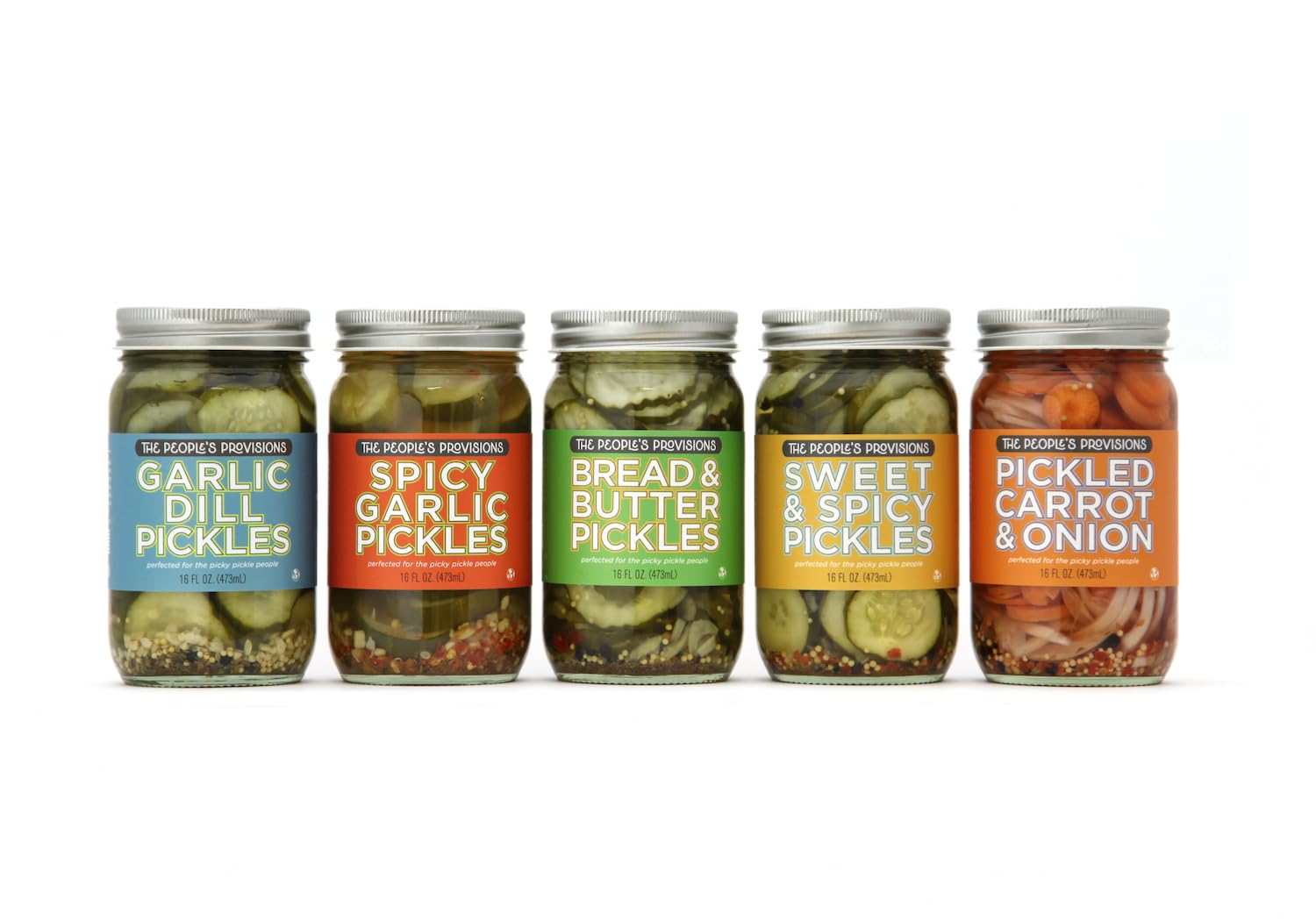 Visit on Amazon → Visit on Amazon →All Things Pickled gift pack |
See product | See product | Five flavors, host gift |
| Clay soil, first pass | Quarter inch target | Lowest flow | Soak, pause, repeat |
| New seed, small patch | Keep top inch damp | Lowest flow, short range | Never let it dry out |
The equivalent of the flip in cooking is the soak in watering. Almost everything on clay needs a pause in the middle. Sprinklers with honest flow control make that pause useful instead of a guess.
Should you buy the Melnor XT Oscillating Sprinkler?
Yes, if your watering shape is a rectangle. The flow, width, and range dials let you fit the band to the bed instead of soaking the walkway, and the stated coverage is generous enough for a real lawn strip. Run it low on clay, split the run into two passes, and keep it dry in the shed over winter. Store it well and the mechanism is the only part that can let you down.
Should you buy the Melnor MiniMax Spike Sprinkler?
Yes, if your beds are round, irregular, or stuck in a corner where a rectangle cannot reach. The spike sets into the soil, the head covers a full circle in every direction, and the same three adjustments trim that circle back to fit. It is also the better tool for a small seeded patch, where you want a light, steady mist rather than depth. Watch the center of the circle on clay, because that is where it over-waters first.
Should you buy the pickled carrot and onion jars?
Only if you want pickles, because that is what they are. Three 16-ounce jars of taqueria style sliced carrots and onions, shelf stable, ready for tacos, sandwiches, or a plate after a long afternoon in the yard. It is a snack for the person doing the watering, not a piece of garden equipment.
Should you buy the All Things Pickled gift pack?
It is the easy answer for the gardener who has every tool they need. Five jars covering garlic dill, spicy garlic, bread and butter, sweet and spicy, and pickled carrots, so you can find your flavor before buying a case of it. Keep it out of the freeze line and out of direct sun.