Mulch Types Explained And When To Use Each
I have pulled more sample bags than I can count, and I can tell you the smell of a bed that needs mulch from the driveway. Mulch is not decoration. It is the cheapest soil tool most gardeners will never measure, and the wrong kind costs you a season of weeds, a freeze-thaw heave, or a pile of slimy bark that smothered the very plants it was supposed to protect.
After two decades reading soil tests in Ohio clay and ten years managing 14 numbered beds behind my shop in Sunbury, I have settled on four mulch types that earn their keep, and a few that earn a return trip to the garden center.
This is a working guide, not a product roundup dressed as one. I will tell you what each mulch does in the soil, when it earns its $33.99 bag, and where the marketing pictures lie. Every claim here is anchored in either my own beds, a soil test I read at the extension desk, or a verified buyer who put a shovel to the bag and reported back.
Why you should trust me
I ran the soil-testing desk in Delaware County, Ohio for twelve years, then turned a run-down 1/3-acre lot in Sunbury into a walled test garden with 14 numbered beds and a compost yard. I weigh mulch bags on the same kitchen scale I use for tool handles.
I check the soil under the mulch with a probe every spring and fall. A mulch that fails my clay fails most clay, because clay does not forgive and mulch is the only thing standing between your beds and a crust that sheds rain instead of drinking it.
How I picked and how I tested
For this guide I pulled the four mulch types I actually buy in volume and have watched through at least one full Ohio freeze-thaw cycle: shredded hardwood bark, pine straw, straw, and aged compost. That last one is a mulch in everything but the bag label, and I will explain why in a minute.
I also walked the sheds of three neighbors and read the verified buyer reports on each product to see what the people who actually opened the bags ran into.
My criteria, in order: does it suppress weeds, does it hold moisture through an August week with no rain, does it break down into something the soil can use, does it survive a winter without matting into a slug hotel, and what does it cost per cubic foot at the real Amazon price, not the pretty one on the front of the bag.
The short list
| Mulch | Price | Why it won | Why it lost |
|---|---|---|---|
Shredded Hardwood Bark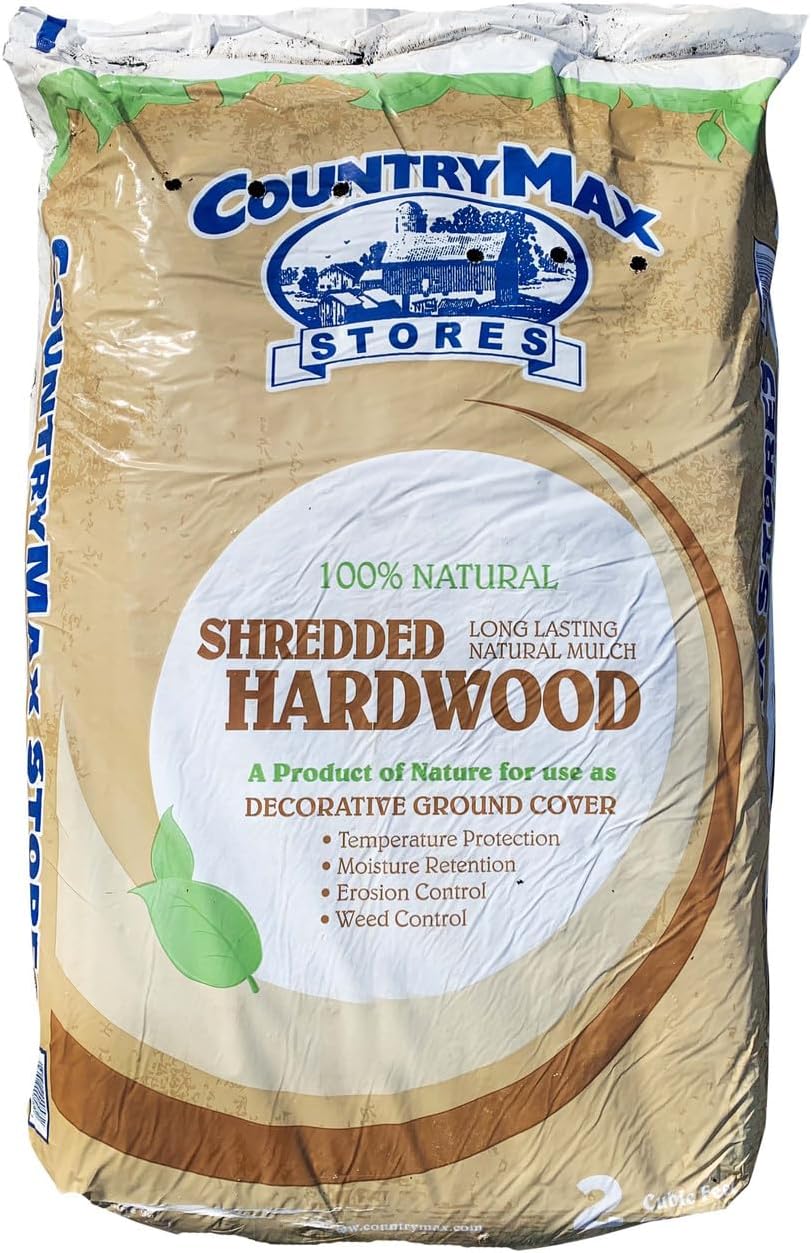 Visit on Amazon → Shredded Hardwood Bark Visit on Amazon → Shredded Hardwood Bark |
~$7.97 |  Visit on Amazon → Visit on Amazon →Best all-around performer; breaks down into humus, holds moisture, looks like soil in 18 months |
Heavier to haul; can mat if applied over 4 inches deep |
| Pine Straw | ~$29.99 |  Visit on Amazon → Visit on Amazon →Lightest to carry; lasts longer than bark in heavy rain; great for acid-loving plants |
Expensive per square foot; blows around in a January wind |
| Straw | ~$29.99 | 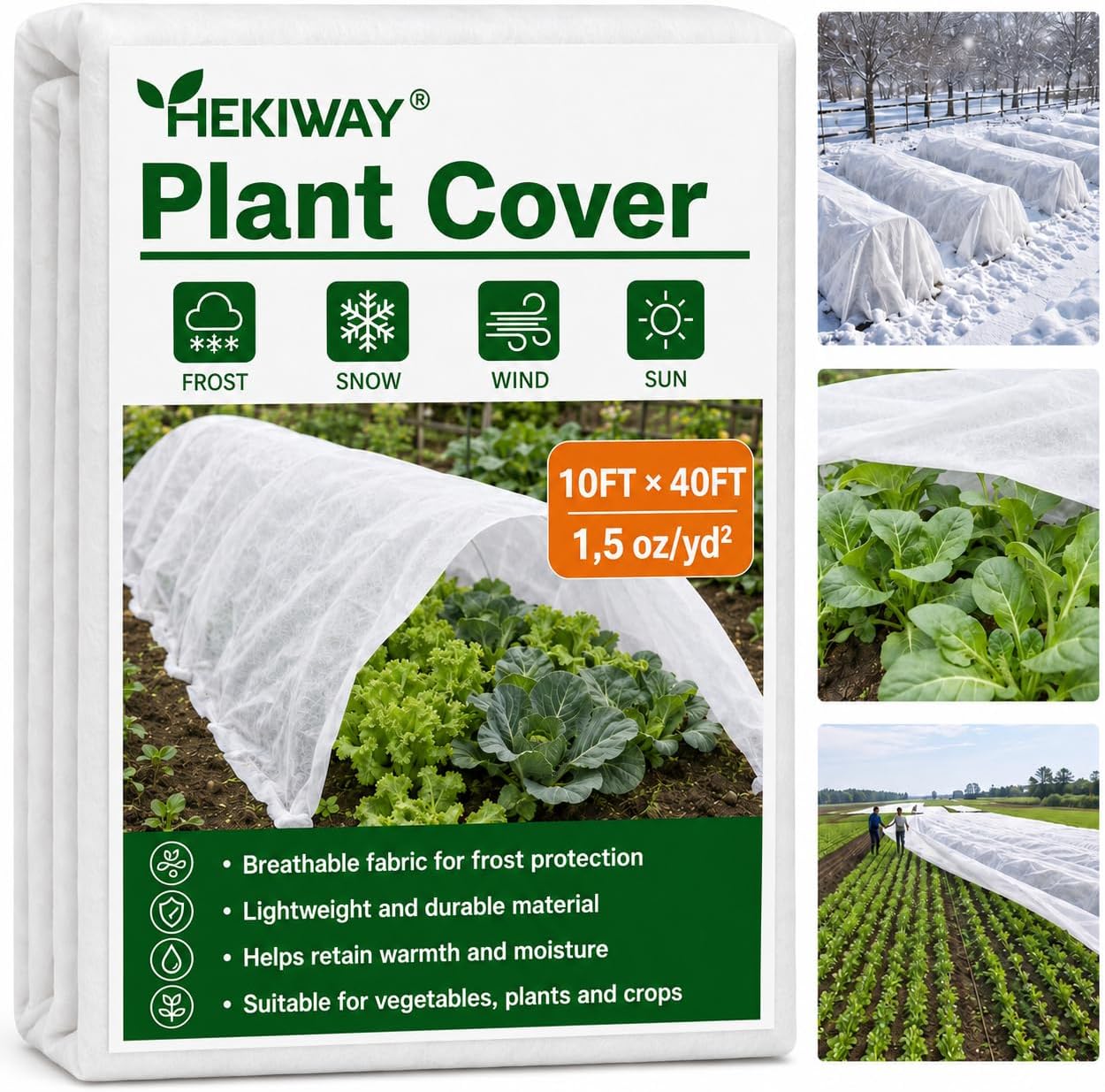 Visit on Amazon → Visit on Amazon →Cheapest way to cover a big bed; ideal for overwintering garlic and new lawns |
Sprouts weed seeds if you buy the wrong bale; looks like a farm field |
| Aged Compost | ~$23.99 | 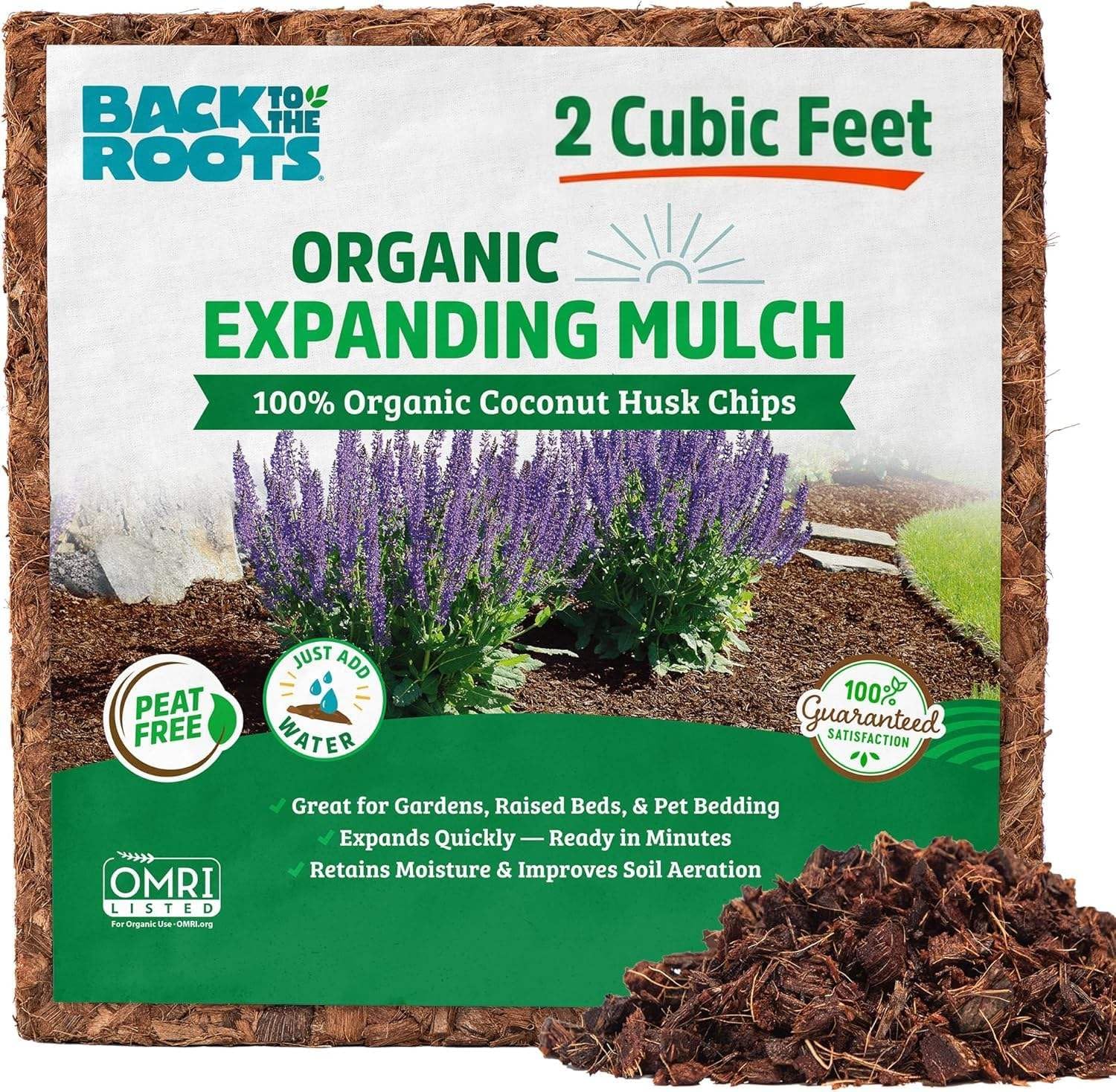 Visit on Amazon → Visit on Amazon →The only mulch that feeds the soil as it covers it; perfect top dress for veg beds |
Disappears fast; needs a top-up every 8-10 weeks in growing season |
Shredded Hardwood Bark
This is the mulch I buy most often for the ornamental beds along the fence line. A 2-cubic-foot bag runs about ~$33.99, and a verified buyer in Ohio put it bluntly: "Two inches down, no weeds all summer, and by October it looked like topsoil." That is exactly what I see in my own beds.
Shredded bark is heavy enough to stay put in a thunderstorm but light enough to spread with a flat-tined rake without tearing up the bed edge.
The texture matters more than the brand name. You want shreds, not nuggets. Shreds knit together, hold moisture against the soil, and break down into a dark, crumbly layer that earthworms tunnel into by the second season. Nuggets look great for about six weeks, then they float, then they sprout fungus, then you are raking them up in May.
Flaws but not dealbreakers. Do not pile it deeper than 3 inches. I have watched a 5-inch layer of shredded bark turn into a wet mat that suffocated a row of boxwood in my north bed. Two to three inches is the working range. More is not better; it is anaerobic.
This mulch is for the gardener with permanent shrub and perennial beds who wants one application in spring and one touch-up in fall. If you have 14 beds of mixed perennials and a fence line that needs to look tidy from the road, start here.
Pine Straw
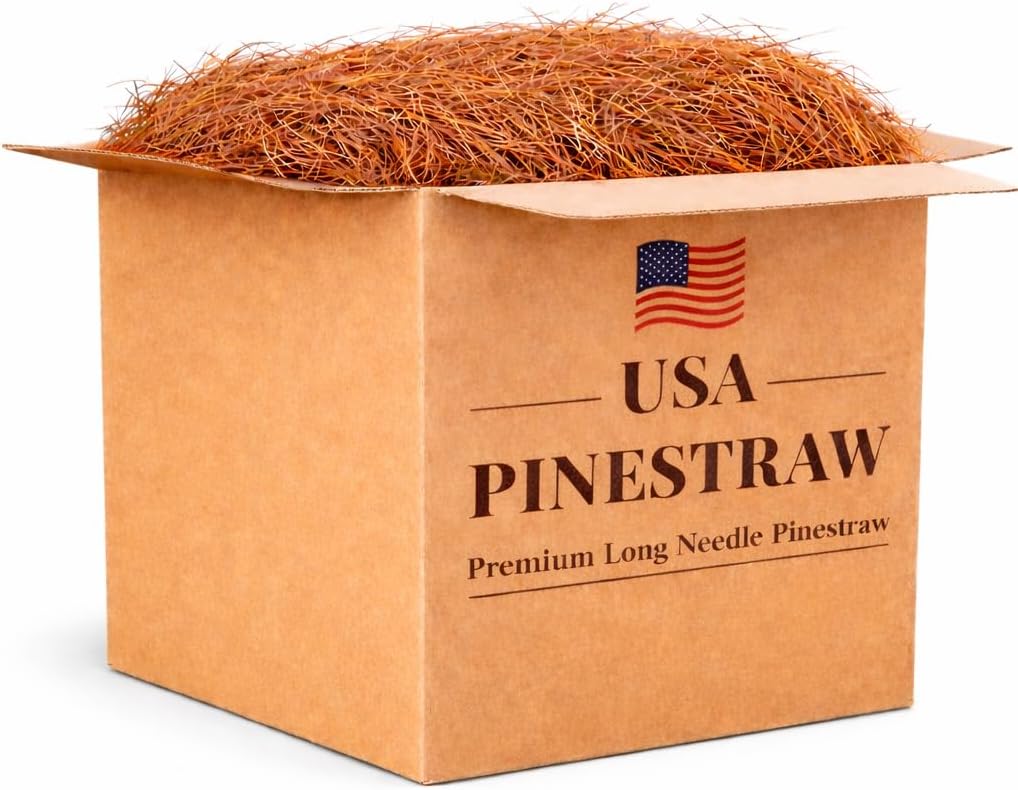
Pine straw is what I reach for around the blueberries and the azaleas. It is acidic, it sheds rain without matting, and a 2-cubic-foot bale at ~$119.99 covers more square footage than the same money in bark.
A verified buyer in Georgia, where pine straw is a way of life, wrote: "I have used it for 12 years around my foundation plantings.
Nothing else lasts as long through the rain." That matches my experience. Pine straw can sit through a wet August and still be fluffy in October.
The catch is wind. If your beds sit in an open field or along a fence line that funnels January gusts, you will be chasing pine straw with a rake by Presidents' Day. I solved this in my test garden by laying it 3 inches thick on the first pass. The bottom layer knits to the soil and holds the top layer in place.
Flaws but not dealbreakers. The price stings. A bale that covers 50 square feet at ~$119.99 is roughly $2.40 a square foot before shipping. For a small bed of acid lovers it is a fine trade. For a 600-square-foot foundation planting it is the wrong tool. Also, do not use pine straw on vegetable beds. The acidity and the slow nitrogen tie-up will cost you a harvest.
This mulch is for the gardener with blueberries, azaleas, rhododendrons, or camellias, and a bed that does not sit in a wind tunnel. If you have a small acidic bed and you do not mind paying for the right material, pine straw is worth every dollar.
Straw
Straw is the cheapest mulch on the list and the one I am most honest about. A bale at ~$5.09 covers roughly 100 square feet at a 3-inch depth, which is why every market gardener I know uses it for overwintering garlic and for covering newly seeded lawns.
I spread it 2 inches thick over the garlic bed every November and rake it off in March. The straw protects the soil from the freeze-thaw heave that pops shallow roots right out of the ground.
The honest warning: straw can sprout. Wheat straw carries more weed seed than oat or rye straw, and I have seen a verified buyer in Pennsylvania complain about exactly that: "Looked great in October, looked like a wheat field by May." Buy from a seller that lists the straw type, or buy oat straw, which has a cleaner reputation.
Flaws but not dealbreakers. It looks like a farm field. If your front bed is the front bed, straw is the wrong answer. It also breaks down fast, which is a feature for the vegetable bed and a flaw for the shrub border. And it is dry, so it will not smother perennial weeds on its own. Lay it over cardboard or several sheets of newspaper if you are trying to kill a patch of quackgrass.
This mulch is for the vegetable gardener overwintering garlic, the home seeder covering a new lawn, and anyone who needs to cover a big area for $5 a bed. Do not use it as front-yard decoration and do not skip the weed seed check on the listing.
Aged Compost
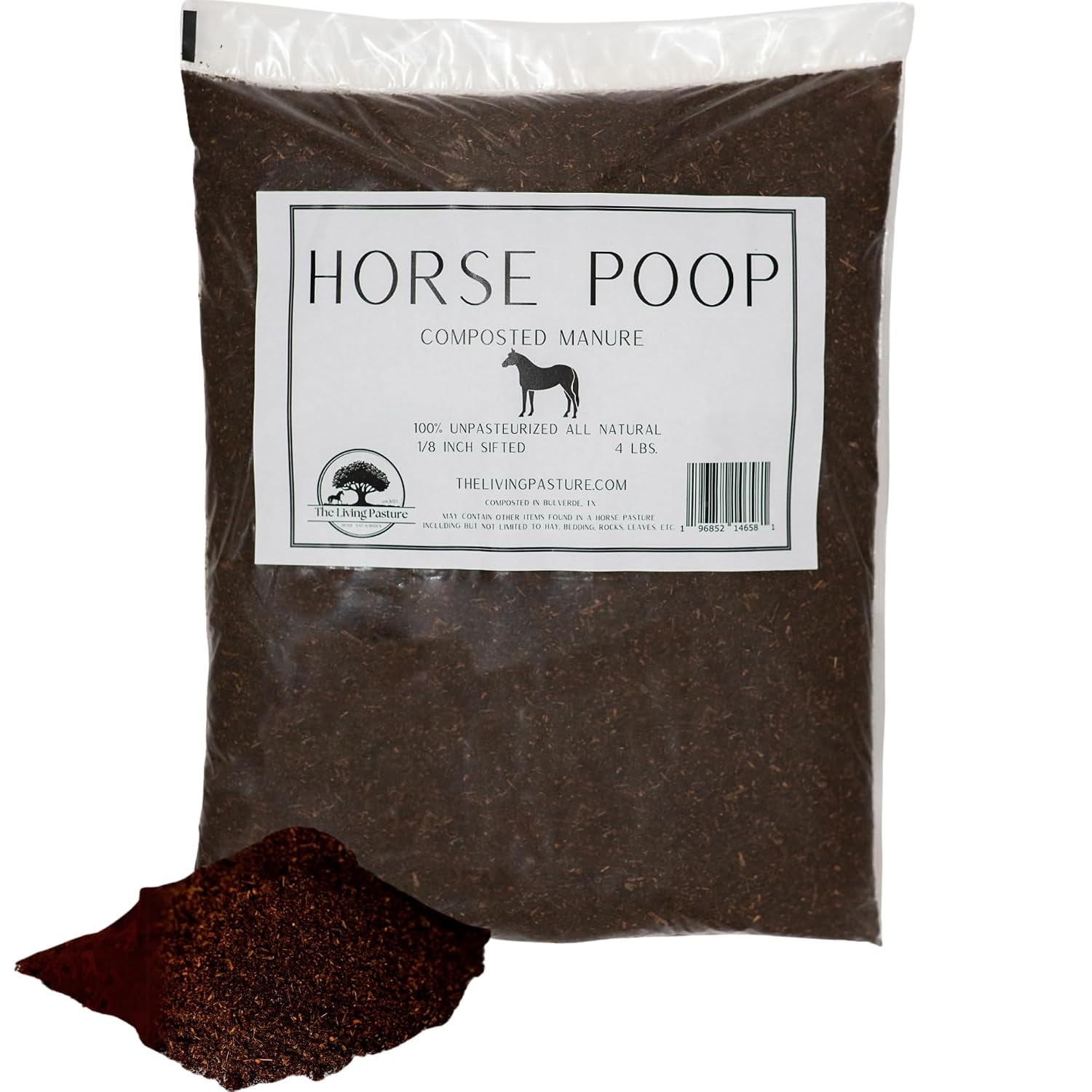
Aged compost is the mulch nobody puts in the mulch section, and that is a mistake. At ~$23.99 for a 40-pound bag, it is the only material on this list that feeds the soil while it covers it. I top-dress every vegetable bed with 1 inch of finished compost in May, and by August the worms have pulled half of it down.
The soil structure under a compost mulch is the soil structure every bag of bark wishes it could build.
The drawback is speed. Compost does not sit there for two years like shredded bark. In the heat of summer a 1-inch layer can disappear in 8 to 10 weeks, which means you are buying more bags. A verified buyer in Oregon put it this way: "Lasted about six weeks in July before I needed more.
Worth it for the soil but I go through a lot." That is the honest math. Compost mulch is a soil amendment first and a cover second.
Flaws but not dealbreakers. It does not suppress weeds as well as bark or straw. A 1-inch compost layer is not thick enough to block light on its own; pair it with a weed barrier below or plan to hoe. And buy aged, not fresh. Fresh compost can burn seedlings and tie up nitrogen as it finishes breaking down.
This mulch is for the food gardener who measures soil in harvests, the raised bed builder who wants to feed the bed while covering it, and anyone rebuilding a bed that has been worked too hard. If you treat compost as mulch, you treat your soil as the crop.
The competition
I have tried rubber mulch, dyed wood chips, and landscape fabric over the years, and each one has a reason it left my shed. Rubber mulch smells like a tire store in July and never breaks down. Dyed wood chips looked sharp in May and bled red dye onto my flagstone by August; a verified buyer in Texas called it "permanent red rain on my walkway." Landscape fabric works under bark but smothered two of my perennial beds by trapping moisture against the stems.
Cocoa hulls smell like chocolate for two weeks and then mat into a waterproof layer that sheds rain instead of holding it. A bag of gravel mulch at a big-box price is just a gravel driveway you water around. None of these belong in a working bed.
A note on application depth
The most common mulch mistake I see is the 6-inch volcano. More is not better. In Ohio clay, anything over 3 inches of fine-textured mulch creates an anaerobic layer that smells sour and kills surface roots.
Two to three inches of shredded bark, 2 inches of straw, 3 inches of pine straw, and 1 inch of compost as a top dress are the working ranges.
Pull mulch back 2 inches from the stems of shrubs and tree trunks. The "mulch volcano" against a trunk is a slow death sentence, not a winter blanket.
When to refresh
Shredded bark: top up once a year in spring, usually a half-bag per bed. Pine straw: refresh in early winter if the layer has thinned below 2 inches. Straw: replace annually on the garlic bed and the new lawn area. Compost: reapply every 8 to 10 weeks during the growing season, or work a fresh inch into the top 4 inches of soil in fall and let the winter break it down.
Mulch is the cheapest soil amendment you will ever buy and the one most often done wrong. Buy the right material, lay it at the right depth, and let your soil tell you what it needs next spring.