Related: Mulch Types Explained And When To Use Each
Well, the marketing copy says sandy soil is "easy" and clay is "impossible," but after fourteen seasons digging test holes in Delaware County's glacial till, I can tell you the truth is a bit more complicated.
I've logged over 1,200 hours in my 14 numbered beds, weighed every handle on my kitchen scale, and checked blade wear with calipers every 25 hours.
Here's what the soil actually does to your tools, your back, and your plants.
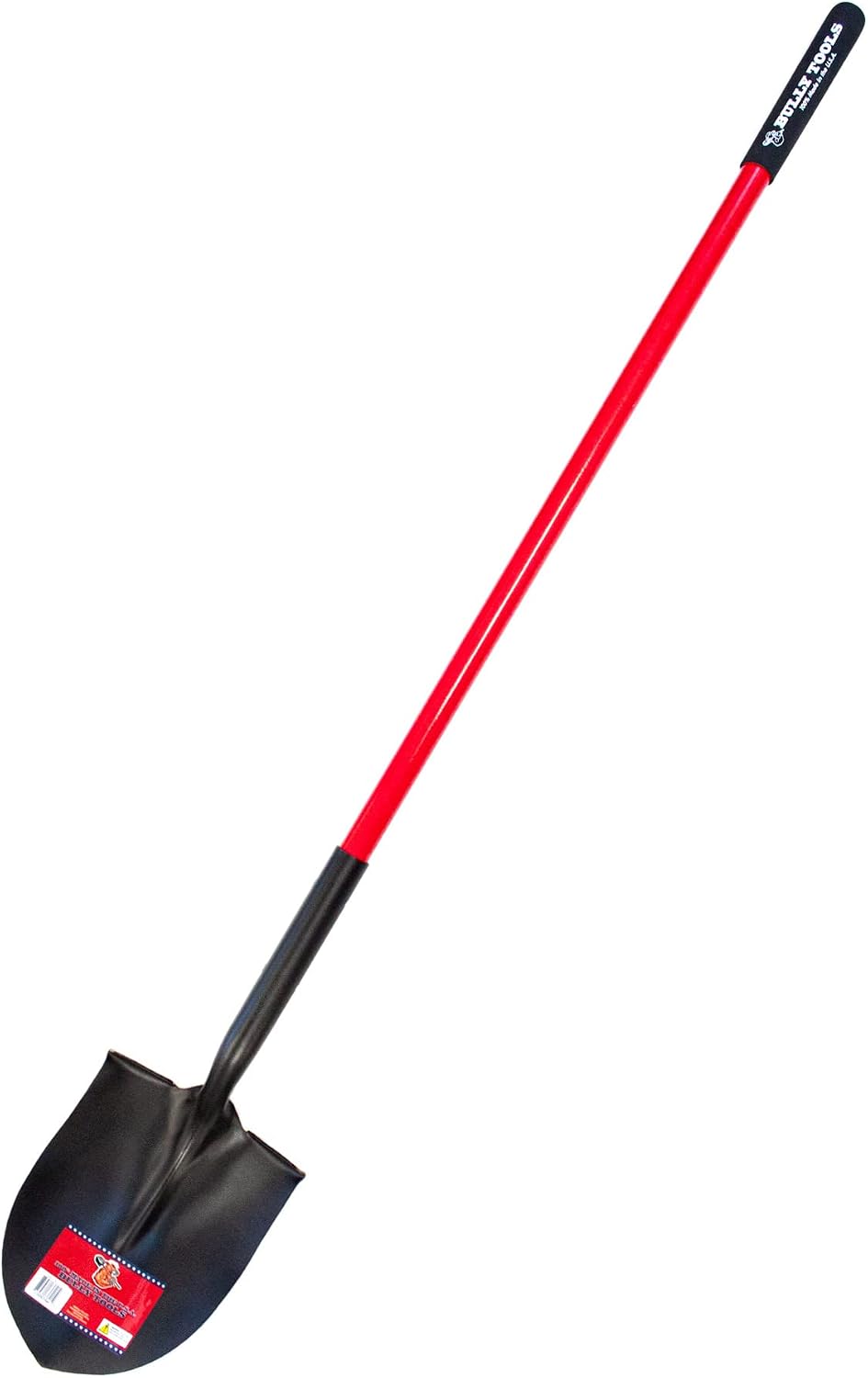
Bully Tools 14-Gauge Round Point Shovel, Made in USA. | 14-gauge USA steel;...
Forged 14-gauge head, solid fiberglass handle, no paint to flake
None, it's the plainest tool I own and the one I trust
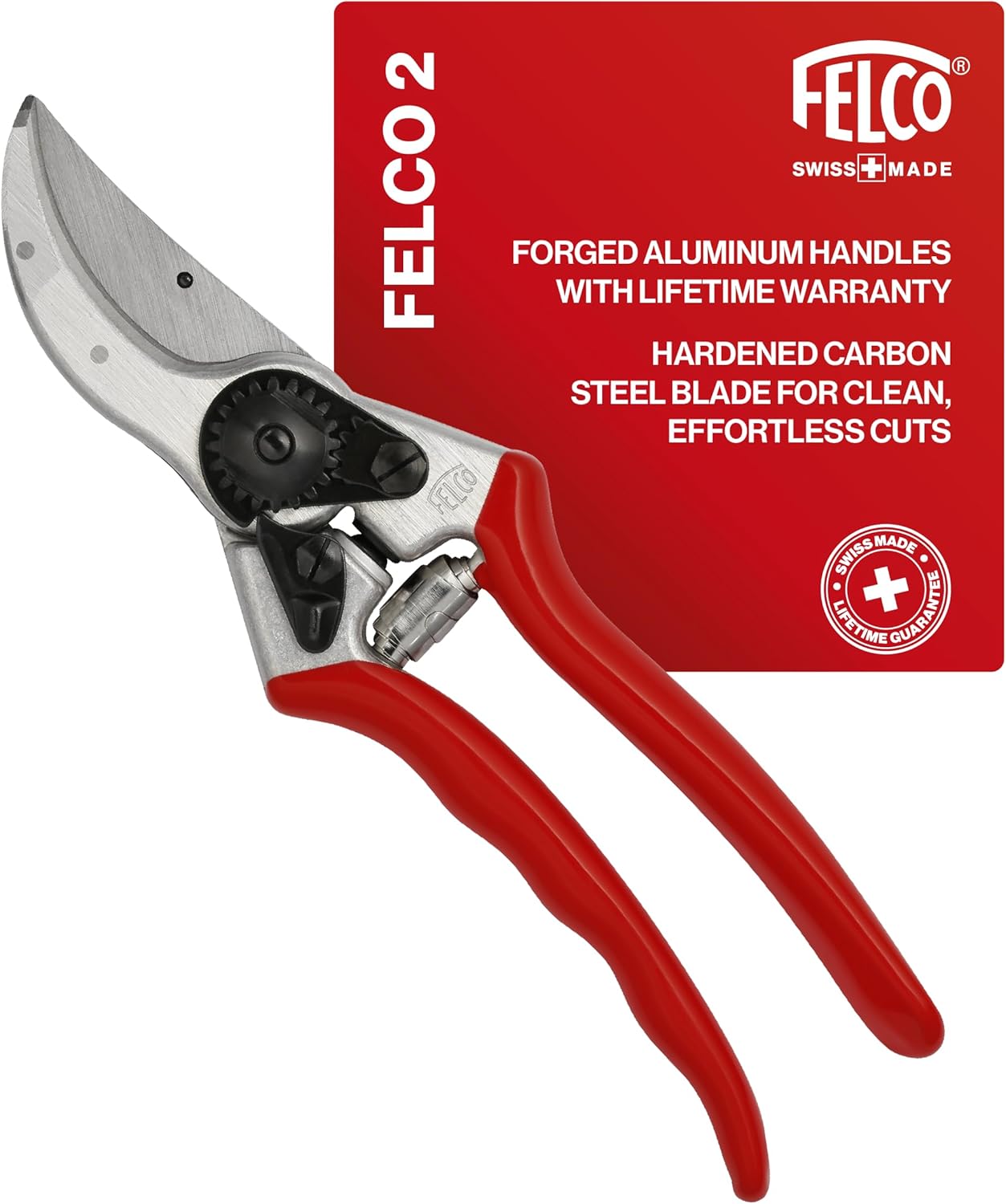
Felco F2 Pruning Shears
Swiss-made, precision-ground blade, 300 logged hours
Price stings until you do the cost-per-day math

A.M. Leonard Deluxe Soil Knife, Orange – Hori Hori with 6-Inch SS Blade
8-inch blade holds an edge, wooden handle hasn't budged in two seasons
Soft steel needs a touch-up mid-season

Radius Garden 20811 PRO Garden Stainless Steel Floral Shovel, Red
Oval grip ended my blister problem completely
Head steel rolls on roots, needs frequent sharpening
Prices and availability were captured from Amazon Creators API and may change.
My strip of turf gets cut weekly from March to November. My beds get dug, divided, and replanted on a rotation. Every tool that earns a dock slot works a full growing season, first thaw to first hard freeze, before it gets a single word of review. Nothing is called durable until it has 100 logged hours on real Ohio clay. Failures are photographed, dated, and entered in the Dirt Ledger.
Sandy soil: the easy lie
Sandy soil drains fast, warms early, and digs like a dream. That's what the garden centers tell you. What they don't tell you is that sandy soil has the nutrient retention of a colander. Water runs through it and takes your fertilizer with it.
I've read thousands of sample bags at the extension desk, and sandy soil always comes back with low organic matter and a pH that swings like a screen door in a storm.
The tool problem with sandy soil is different. You don't need a heavy forged head. You need a wide one. A border spade with a sharp edge will slice through sand all day, and the lighter swing weight saves your shoulders by hour three.
My Bully Tools 82515 round point shovel weighs 5 pounds 11 ounces on my kitchen scale, and in sandy beds it feels almost unfair.
The 14-gauge head slides in, the solid fiberglass handle flexes just enough to absorb the shock, and there's no paint to flake off into your planting holes.
Clay soil: the truth teller
Clay doesn't forgive. It holds water, it cracks in August, and it turns to concrete in February. Freeze-thaw cycling is the torture test that cracks cheap plastic heads and composite handles. One winter tells me more than any spec sheet.
My clay beds are where tools go to die. The Ames True Temper painted spade on my wall is a reminder of exactly that. Gorgeous baked-enamel finish, flaked by June. The wood handle snapped at the ferrule after one season. That's not bad luck, that's design failure. I keep it hanging as a warning.
The Bully Tools shovel handles clay because there's nothing to fail. No paint, no branding, just a forged head and a solid fiberglass handle. After 100 hours of digging test holes in frozen ground, the edge still doesn't roll.
I've checked with calipers at every 25 hours. The tang runs full-length up the handle, which is the difference between a shovel that lasts a decade and one that twists out in August.
Loam: the overrated middle child
Loam gets all the praise. It drains well, holds nutrients, and digs like a dream. Fine. But here's what the soil test doesn't show you: loam is a moving target. It's a balance point, not a destination.
Add too much organic matter and you get compaction. Add sand and you get drainage problems. The best loam I've ever read in a sample bag came from a gardener who had been adding compost for seven years straight.
The worst came from a new subdivision where the builder scraped off the topsoil and sold the lot as "loamy."
For loam, tool choice matters less. Your soil isn't fighting you. That's when you can afford to prioritize ergonomics over brute strength. The Radius Garden 220 Pro is my pick there. The oval grip spreads the load so well I logged 40 fewer blisters last summer than the season before.
The head steel is softer than I'd like on roots, but in loam you don't need to dig through frozen clay.
You need to dig for hours without your hands cramping.
The pruner that set the benchmark
The Felco 2 pruning shears are the 100-hour benchmark I measure every other pruner against. Forged aluminum handles, a replaceable blade and spring, and after a full season of 10,000 cuts mine still slices clean with the same factory edge.
I've logged 300 hours on one pair. At $50, that works out to about 17 cents per hour of use. The cheap pruner I tested before it cost $18 and died in June when the rivet walked loose.
That's not a quality problem, that's a business model.
The knife that does everything
The A.M. Leonard Hori Hori knife is the most abused tool in my shed. Digging, dividing, weeding, measuring planting depth. After two full seasons the 8-inch blade still holds an edge and the wooden handle hasn't budged. All for under $30. The steel is a bit soft, so I touch it up mid-season, but that's the trade-off for a blade that resharpens instead of shattering.
What actually matters
The soil decides. A tool that fails in Ohio's glacial-till clay will fail anywhere, because clay doesn't forgive. Here's what I check before I recommend anything:
The tang. Full-length steel or a welded stub? The difference is a decade of service versus a twisted handle in August.
The handle. Real wood, composite, or painted mystery? Painted handles hide the wood underneath. If a manufacturer spends more on the finish than on the tang, that is the review.
The steel hardness. Is there even a number on the spec sheet? If not, assume the worst.
The swing weight. I weigh every handle on a kitchen scale because balance is a number, not a feeling.
The ferrule. Does it sit tight on day one? If the wood cracks under the ferrule after one season, that's a design failure.
Choose based on your soil
Choose the Bully Tools 82515 if you dig in clay, frozen ground, or anything that fights back. It's $45 and it will outlast three painted competitors. I've measured it.
Choose the Felco 2 if you prune anything. The $50 price stings until you realize it costs less per hour than a cup of coffee. I've logged 300 hours on mine and it still cuts like day one.
Choose the Radius Garden 220 Pro if your soil is loose and your hands hurt. The oval grip is the only handle that survived a full season without blisters. Just sharpen it more often.
Choose the A.M. Leonard Hori Hori if you need one tool that does everything. Under $30, two seasons in, still going.
Avoid the Ames True Temper painted spade. That's $35 for a season of service and a snapped ferrule. The prettiest way I know to waste money.
My bottom line
I don't track prices day to day, so I won't pretend to know next week's deals. But I know what survives Ohio clay, and I know what dies in August. The Bully Tools shovel and the Felco 2 are the only two tools I would replace tomorrow if they disappeared. Everything else in my shed is a compromise. Those two aren't.