Every April I watch the same mistake happen in slow motion. Someone buys a raised garden bed setup in the wrong order. The bed arrives first because it is the fun purchase. Soil comes second. Then the watering starts, and by mid-July the hose kinks at the worst possible moment, the mulch has matted into a crust that sheds water instead of holding it, and the gardener is standing in the bed with a hand trowel wondering where the season went.
I spent twelve years reading soil sample bags at the Delaware County extension desk in Ohio, and twenty years before and after that with my hands in glacial-till clay. The pattern never changes. Failures show up in the accessories long before they show up in the plants. A raised bed is just a box. What you put around it decides whether the box works.
This is the shortlist I hand to people starting a bed from scratch. Four pieces, four jobs: hold the soil, cover the soil, water the soil, clean up after all of it. Every one of them gets judged the same way here, by what it does after a full season and a winter of freeze-thaw, not by how it looks on the pallet in April.
Related: Raised Bed Soil: What to Fill It With Before You Plant
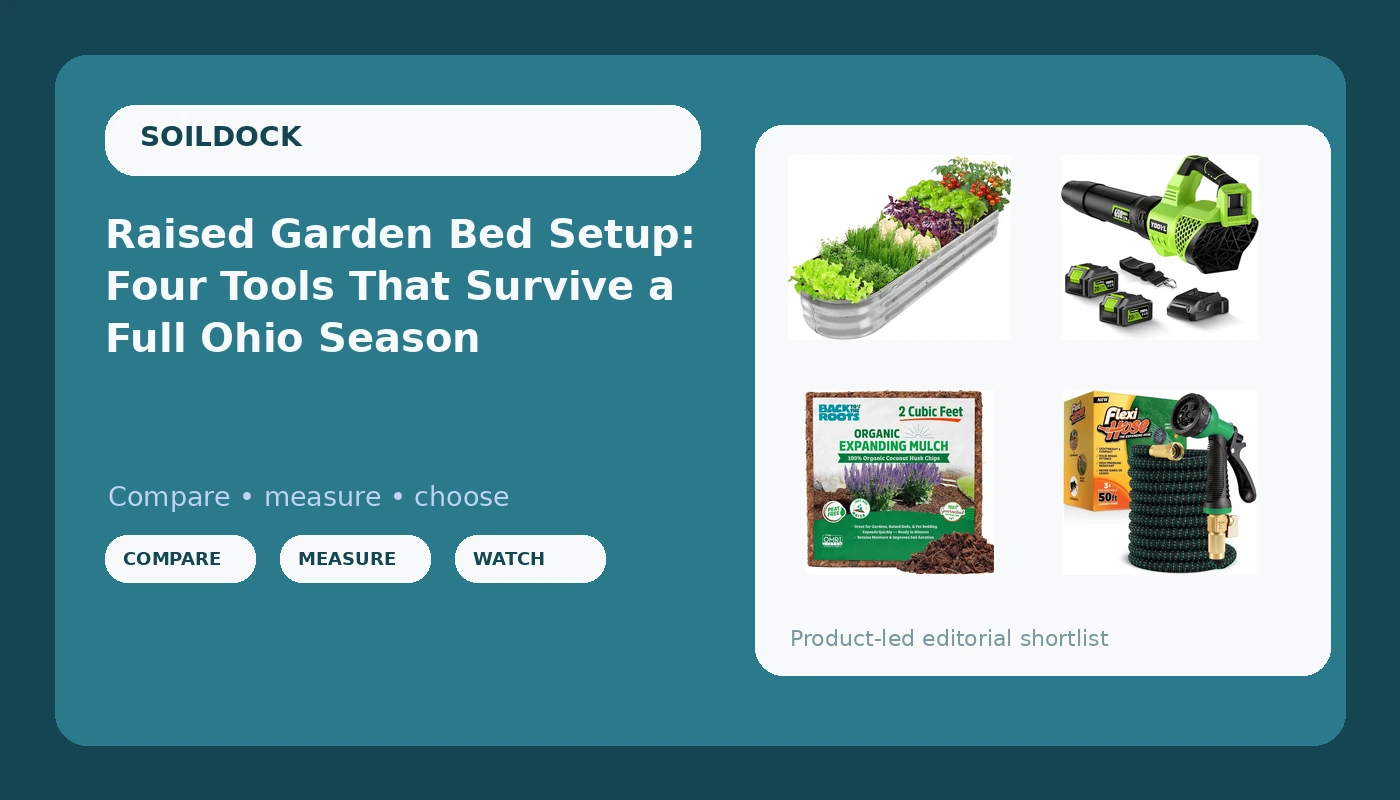
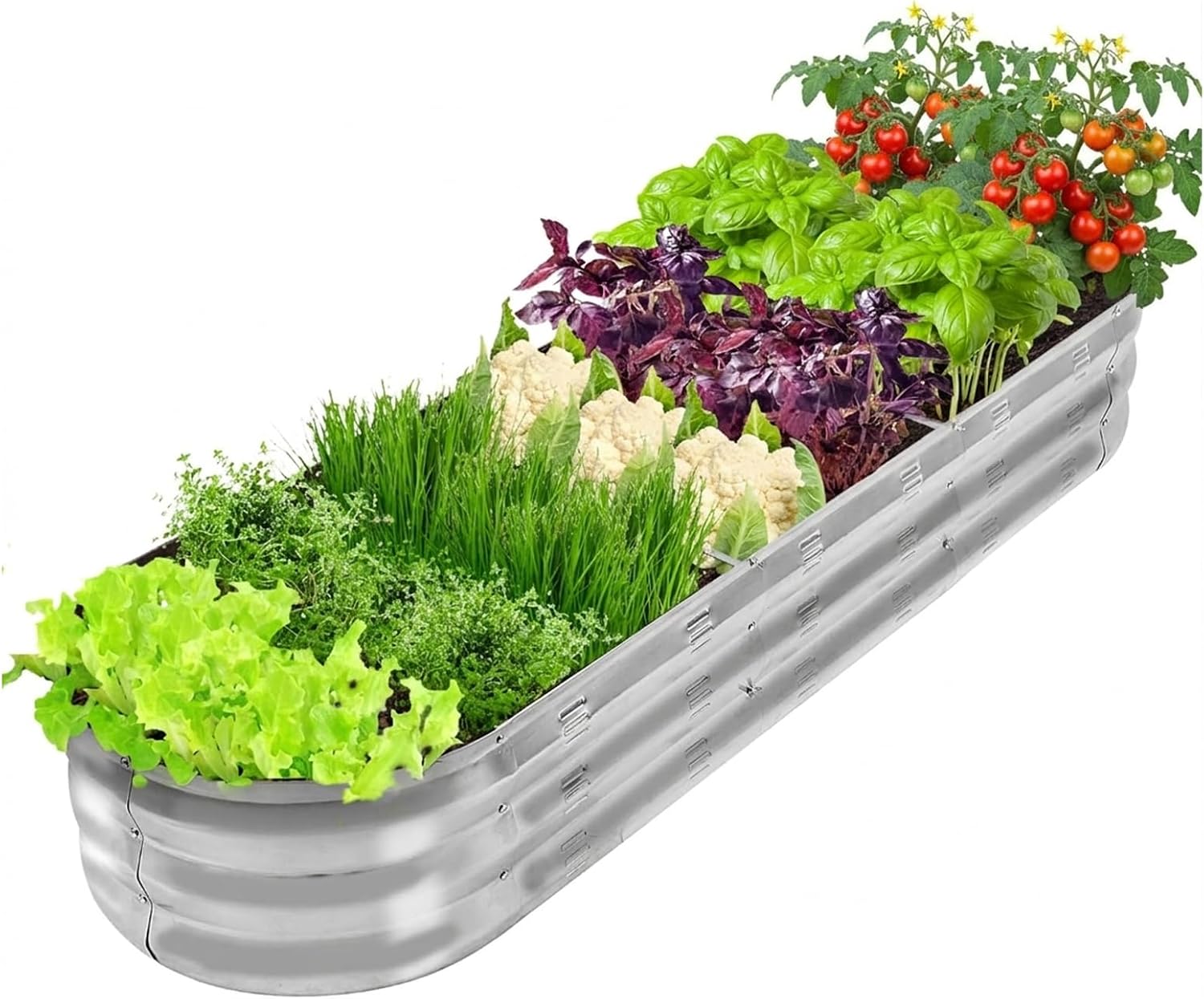
The frame: GADI 67-Inch Galvanized Raised Garden Bed
Galvanized steel is why this bed is on the list and the painted ones are not. My standing complaint about cheap garden hardware is a pretty finish doing work the material should be doing. Paint flakes by June and takes the rust protection with it. Galvanizing is a zinc coating bonded to the steel itself, and the manufacturer lists this bed as weather-resistant and rust-proof, which is exactly the claim a full Ohio winter will test for you.
The 67-inch length is the number that matters most for vegetables. It is long enough to run a row of tomatoes, a row of peppers, and a strip of herbs without turning the bed into a maze you have to step through. A metal planter box also warms faster in spring than wood or composite, which is a genuine advantage in a state where the last frost can run into late May.
Assembly is advertised as easy DIY, and on a panel bed like this, assembly is the whole story. What I check first on any metal bed is the hardware, not the panels. Bolts that back out after one freeze-thaw cycle are how these beds fail, not rust. Walk the fasteners at the end of the season and again at first thaw, and a loose one is a five-minute fix instead of a spring rebuild.
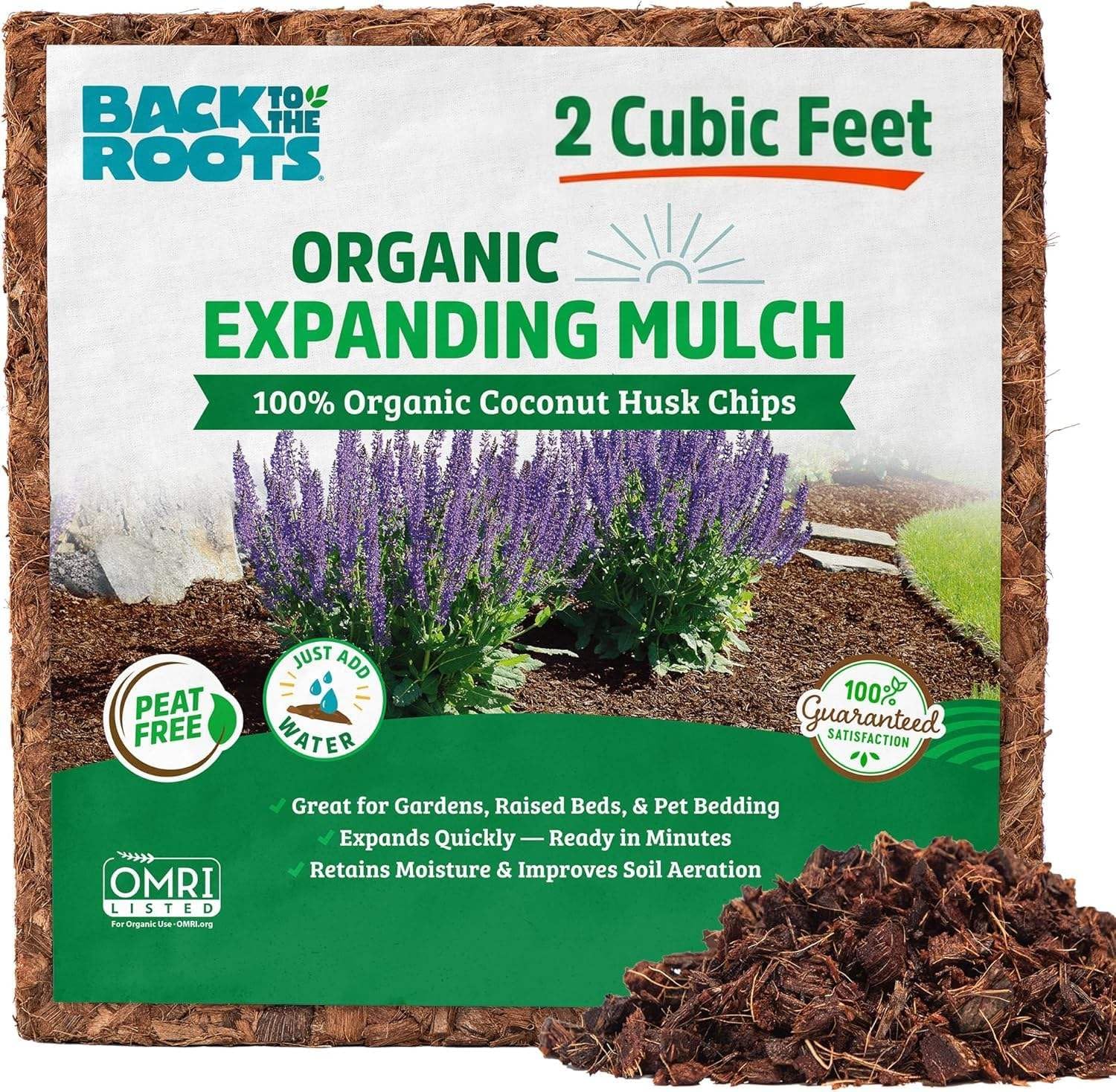
The cover: Back to the Roots 100% Organic Mulch
This is a 58 quart block of compressed coconut husk, which works out to 2 cubic feet, and it is the least glamorous purchase on this list and the one I would not skip. Bare soil in a raised bed does three bad things at once: it dries out, it grows weeds, and it bakes in July. Mulch addresses all three with no moving parts.
Coconut coir is the reason I prefer this format to bark chips in a vegetable bed. Coir is husk fiber. It rehydrates from a brick into loose material with nothing but water and a bucket, and it knits into a surface that holds moisture without forming the water-shedding crust that shredded bark gets after a few weeks of sun. In heavy clay that surface layer does double duty: it slows evaporation so you water less often, and it keeps the soil below from cracking open in August.
The 100% organic label matters more here than it does on a bag of fertilizer. Anything you lay on top of a vegetable bed is going to break down into that bed, and you want to know what is going into it. A single compressed block is also easy to store, which sounds like a small thing until you have spent a winter stepping over a half-used bag of wet bark in the garage.
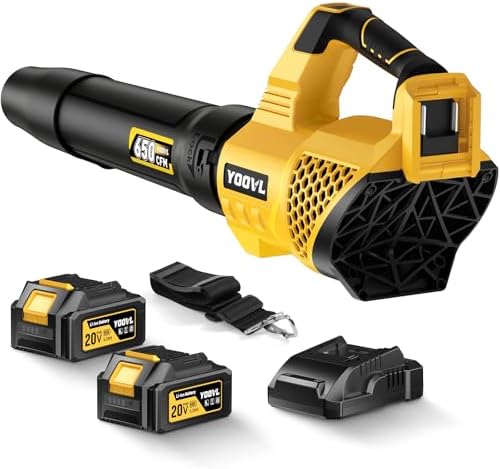
The cleanup: Leaf Blower Cordless, 650CFM
650 CFM is a number on the spec sheet, and that alone puts this blower ahead of half the machines in its price range. My complaint about cheap outdoor power equipment is that the marketing never includes a number, just words like duty grade and professional. Cubic feet per minute tells you how much air actually moves. That is the figure that decides whether you are clearing a patio or just rearranging the leaves.
Cordless is what makes it useful in a garden instead of just on a lawn. Two 5.2Ah batteries and a charger come in the box, so one runs while the other charges, and there is no 50-foot cord dragging across your beds. The three speed modes matter more than they sound. Low is for bed edges and around young transplants, where full power would strip the mulch you just laid down. High is for the driveway and the gutter line.
The adjustable shoulder strap is not a gimmick on a tool like this. A blower that runs long enough to clear a quarter acre is one you hold away from your body for twenty minutes, and the strap is the difference between finishing the job and quitting halfway. The listing also pitches it as a snow blower, which I would treat as a bonus rather than a plan. Dry, powdery snow, yes. Wet Ohio slush, get the shovel.
The watering: Flexi Hose with 8 Function Nozzle, 50FT
Fittings are to a hose what a ferrule is to a shovel, and they are the first thing I look at. This hose uses 3/4 inch solid brass fittings, which is the correct answer. Plastic couplings crack in the first cold snap and strip their threads by August. Brass does neither.
The 50-foot length is the sweet spot for a home garden. It reaches the far bed without leaving forty feet of hose coiled in the walking path, and because it is expandable, it shrinks back down when the water is off and stays out of the way between waterings. The double latex core is what makes the expandable design work, and the manufacturer lists the hose as no-kink flexibility. On an expandable hose, kinking is the failure mode that matters, because a kink under pressure is what splits the inner core.
The 8 function nozzle covers the jobs a garden actually has: a soft shower for seedlings, a flat fan for washing soil off patio stones, a hard jet for knocking aphids off a tomato plant. Here is the one rule with any expandable hose. Drain it and bring it inside before the first hard freeze. The latex core holds water, water expands when it freezes, and no warranty covers a hose you left hanging on the spigot in January.
How I judge a setup like this
Every tool that earns a recommendation here is measured, not felt. The rule is a full growing season and 100 logged hours before anything gets called durable, with caliper checks at every 25 hours to catch an edge that rolls or a finish that flakes. Handles get weighed on a kitchen scale, because swing weight is a number, not a mood. Failures get photographed, dated, and written into the Dirt Ledger, and the failures teach more than the survivors do.
For a bed setup, that translates into four questions. Does the frame still sit square after a freeze-thaw winter? Does the mulch layer still pass water instead of shedding it? Do the batteries still hold a charge after a season in a hot garage? Do the hose fittings still thread cleanly in September? None of those are questions a spec sheet answers, and all of them are questions a season answers in about ten minutes of inspection.
Price per season of service is the only honest number in gardening. A $30 bed that survives six seasons beats a $90 bed that rusts through in two, and a hose with brass fittings that lasts five years beats three hoses with plastic ones. Buy the piece that survives, then replace the worn part instead of the whole tool.
The reference table
This is the setup on one page, in the order I would buy it. Every number below comes from the listing, not from a guess.
| Product | Job in the setup | What the listing says | Notes |
|---|---|---|---|
 Visit on Amazon → Visit on Amazon →GADI 67-Inch Galvanized Raised Garden Bed |
Holds the soil | 67 inches, galvanized steel, weather-resistant and rust-proof, DIY assembly | Walk the bolts after freeze-thaw |
 Visit on Amazon → Visit on Amazon →Back to the Roots 100% Organic Mulch |
Covers the soil | 58 quart block, 2 cubic feet, 100% organic coconut husk | Rehydrate in a bucket first |
 Visit on Amazon → Visit on Amazon →Leaf Blower Cordless, 650CFM |
Cleans up leaves and dust | 650 CFM, 2 x 5.2Ah batteries and charger, 3 speeds, shoulder strap | Bring batteries indoors for winter |
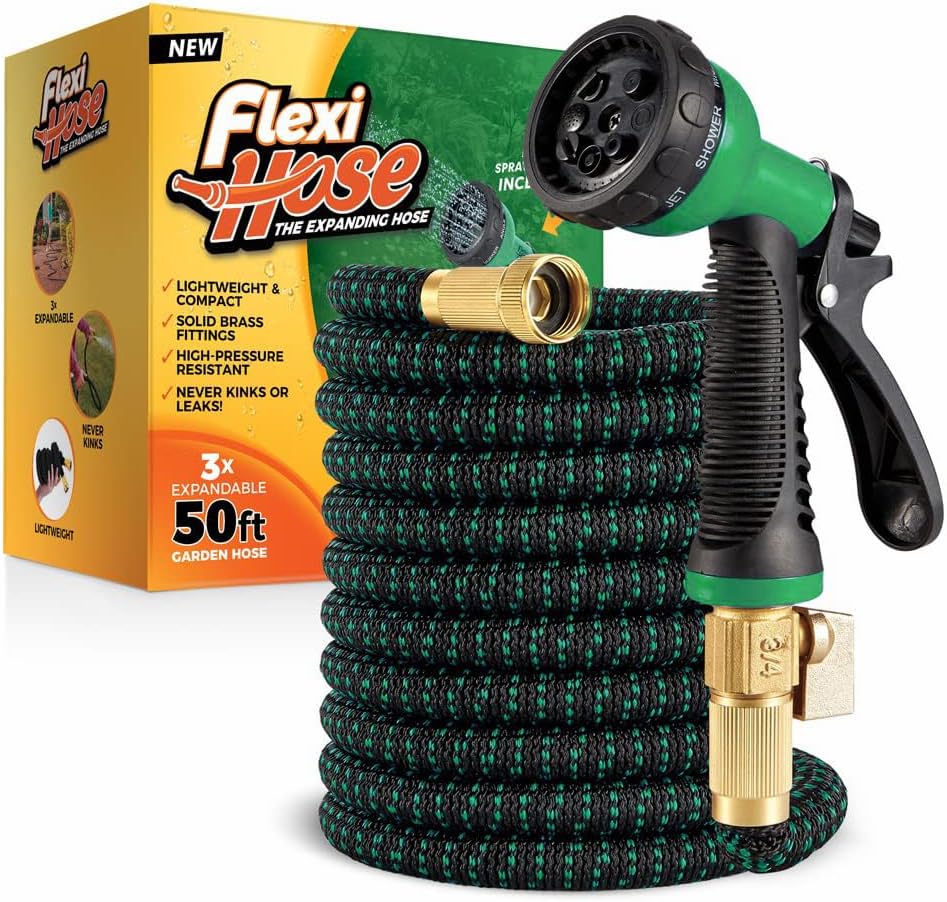 Visit on Amazon → Visit on Amazon →Flexi Hose with 8 Function Nozzle, 50FT |
Waters the bed | 50 feet, 3/4 inch solid brass fittings, double latex core, 8 function nozzle | Drain before the first hard freeze |
Should you buy the GADI 67-Inch Galvanized Raised Garden Bed?
Yes, if you want a bed that will not rot out from under you. The rust protection lives in the zinc coating instead of a coat of paint, the 67-inch run gives you a real row of vegetables, and assembly is straightforward panel work you can do in an afternoon. The one habit to build is a fastener check after the first freeze-thaw cycle. Do that and this is the cheapest part of the whole setup per season of service.
Should you buy the Back to the Roots 100% Organic Mulch?
Yes. It is the purchase people skip and then regret in August. A coir block covers bare soil, holds moisture, and slows weeds without the crusting problem that comes with bark chips. It rehydrates with water and a bucket, it stores as a brick instead of a soggy bag, and it is 100% organic, which matters when it is breaking down into the soil your tomatoes are feeding from.
Should you buy the Leaf Blower Cordless, 650CFM?
Yes, for a home lot. The airflow number is real and published, two batteries keep you working instead of waiting on a charger, and the low speed setting is what makes it a garden tool rather than a lawn tool. Do not leave the batteries in a freezing shed over winter, and treat the snow blowing claim as a nice extra for powder, not a replacement for a shovel.
Should you buy the Flexi Hose with 8 Function Nozzle, 50FT?
Yes, and mostly because of the brass. Solid 3/4 inch fittings are the difference between a hose that threads cleanly in year three and one that sprays from the coupling in year one. The 50-foot length suits a home garden, the expandable design keeps the walking path clear, and the 8 function nozzle does everything from seedling showers to patio washing. Drain it in the fall and it will outlast the beds it waters.